

Close Menu

    Subscribe to Updates

    Get the latest creative news from FooBar about art, design and business.

    What's Hot

    How the Loosdrecht Lakes Became the Netherlands’ Most Fascinating Residential Landscape

    July 31, 2026

    Tashkent’s Modernist Architecture Joins UNESCO World Heritage List

    July 31, 2026

    Architecture Is Growing Up with Gen Z

    July 30, 2026
    Facebook X (Twitter) Instagram
    Facebook X (Twitter) Instagram
    ParametricParametric
    Subscribe
    ParametricParametric
    Home»Articles»5 Infrastructure Lessons from FIFA World Cup 2026: What Future Host Cities Must Learn
    Articles

    5 Infrastructure Lessons from FIFA World Cup 2026: What Future Host Cities Must Learn

    Pooja Khanna TyagiBy Pooja Khanna TyagiJuly 12, 202604 Mins Read0 Views
    Facebook Twitter Pinterest LinkedIn Tumblr WhatsApp Reddit Email
    2026 FIFA World Cup Stadiums
    2026 FIFA World Cup © 2019 Getty Images
    Share
    Facebook Twitter LinkedIn Pinterest Email

    The FIFA World Cup 2026 was the largest tournament in football history, spanning three countries, 16 host cities, and 48 national teams. While the event showcased world-class stadiums and attracted millions of fans, it also became a real-world stress test for urban infrastructure. Extreme weather, transportation demands, cross-border logistics, and digital operations demonstrated that hosting a mega sporting event is no longer just about building iconic stadiums. It requires resilient cities capable of adapting to climate change, managing unprecedented mobility, and delivering seamless experiences for both residents and visitors.

    FIFA World Cup 2026
    © PA Images via Getty Images

    Rather than focusing on isolated shortcomings, the tournament revealed broader infrastructure challenges that architects, engineers, and urban planners should address before the next generation of global sporting events. Here are five key lessons.

    1. Climate-Resilient Stadiums Can No Longer Be Optional

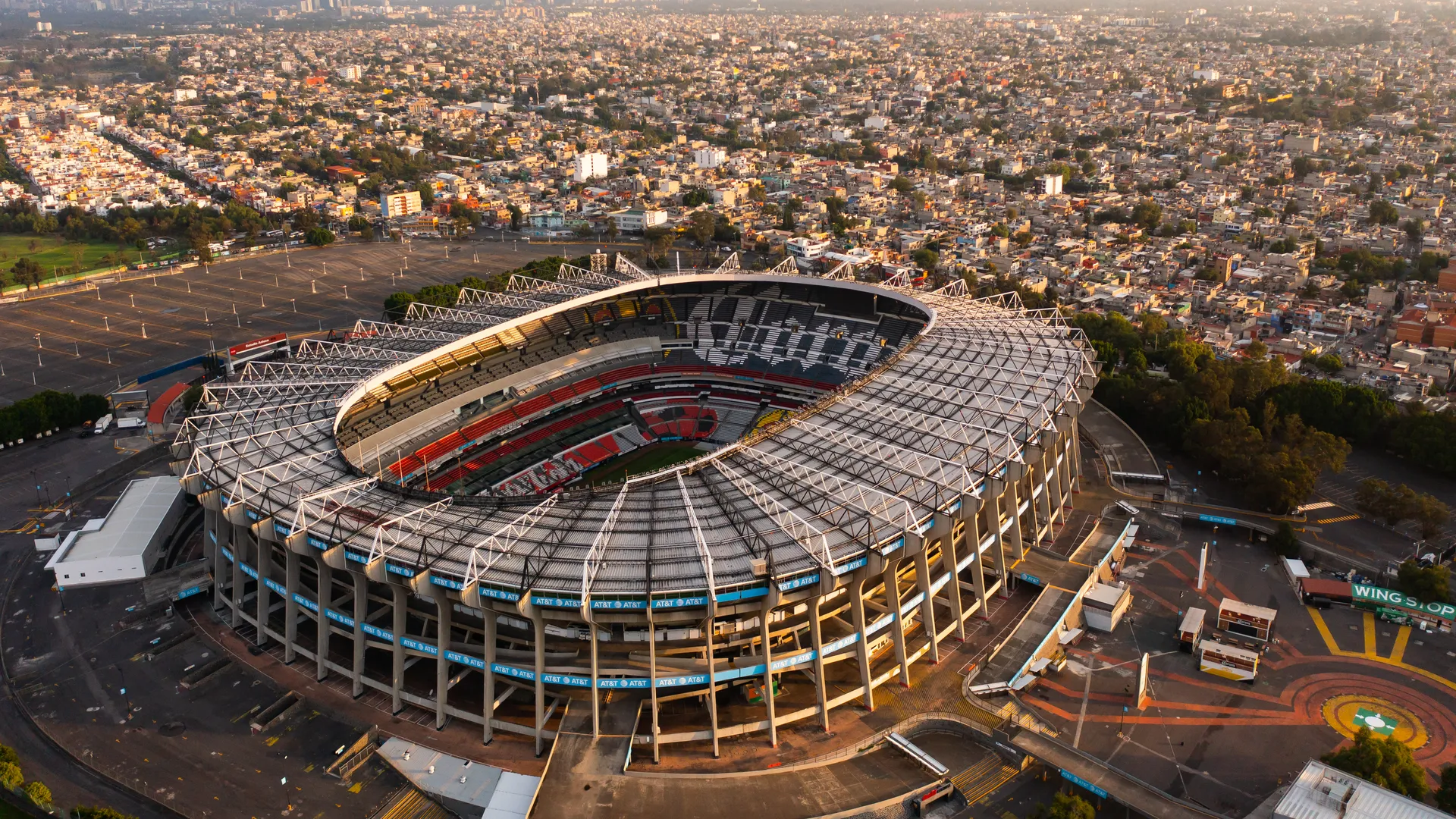
    One of the tournament’s defining challenges was extreme summer heat across several U.S. host cities. The Round of 16 match between France and Paraguay in Philadelphia became one of the hottest World Cup fixtures ever played, with temperatures approaching 38°C and heat index values exceeding 40°C. The conditions reignited debate about whether open-air stadiums designed decades ago remain suitable for a warming climate.
    FIFA World Cup 2026
    Estadio Azteca © Hector Vivas/Getty Images

    While hydration breaks and cooling stations helped mitigate immediate risks, the tournament demonstrated that operational measures alone are insufficient. Future stadiums should integrate passive cooling strategies, larger shaded spectator zones, high-performance façades, natural ventilation systems, and climate-responsive materials. Climate adaptation must become a core design principle rather than an operational contingency.

    2. Transportation Networks Matter More Than Stadium Capacity

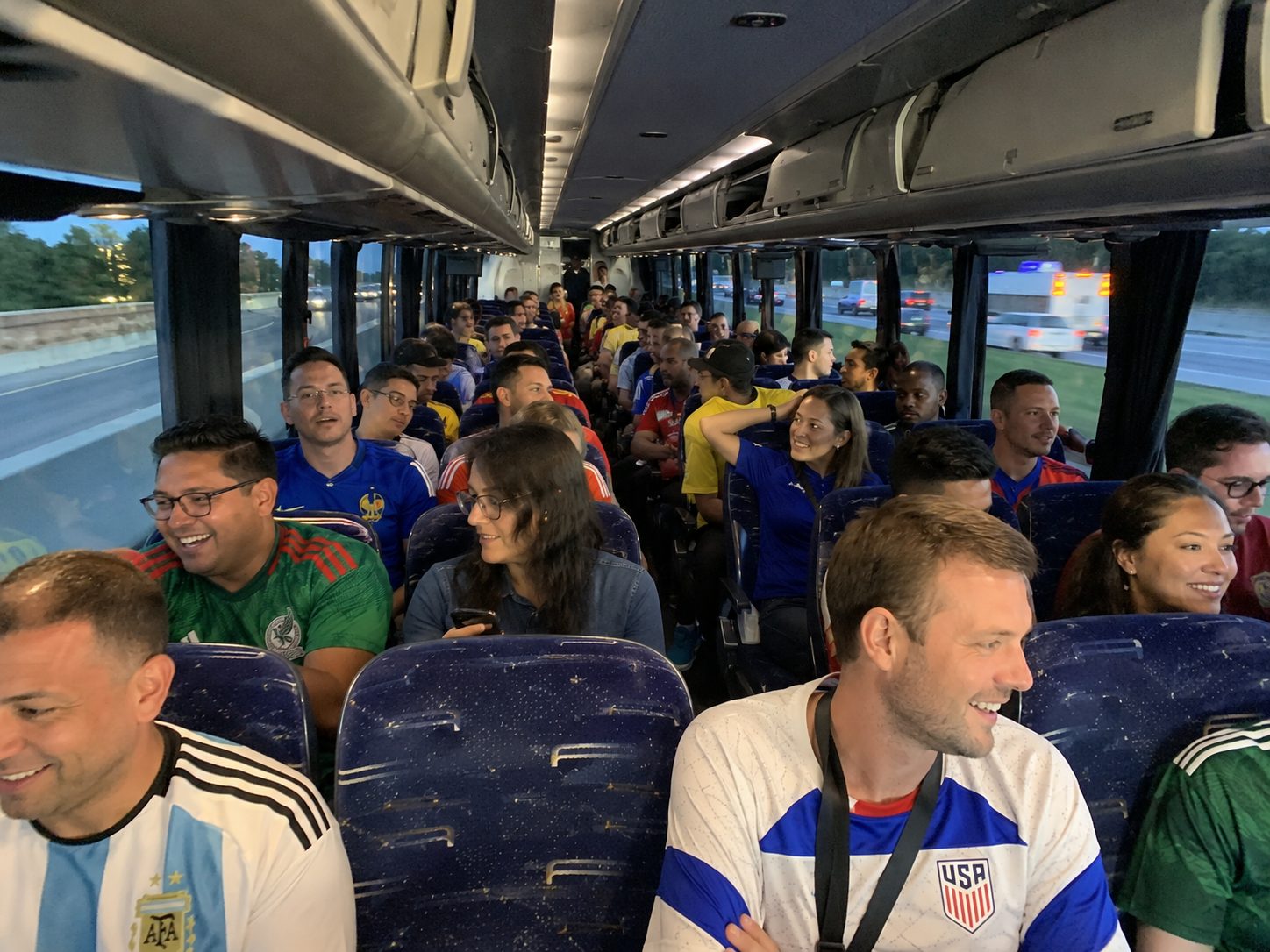
    Most World Cup venues successfully accommodated spectators inside the stadium, but moving hundreds of thousands of people across metropolitan regions proved to be an equally important challenge. With matches distributed across three countries and thousands of kilometres, airports, rail services, metro systems, and last-mile transport became the backbone of the tournament.
    © allstarshuttles.com

    The event highlighted that transport investment often determines the overall fan experience more than the architecture of the venue itself. Future host cities should prioritize multimodal mobility, integrated ticketing, dedicated event transit corridors, and pedestrian-friendly public spaces around stadium districts. A successful tournament begins long before spectators reach their seats.

    3. Existing Stadiums Need Continuous Modernization

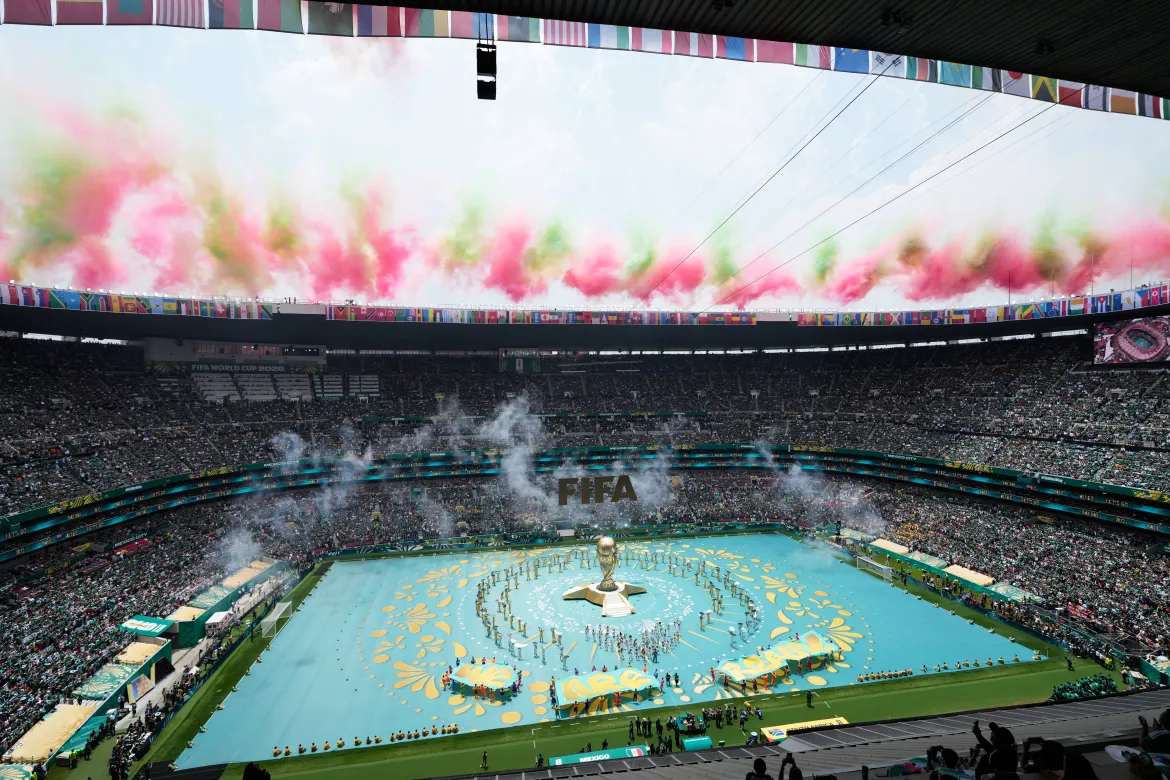
    Unlike previous tournaments that relied heavily on newly constructed venues, the 2026 FIFA World Cup largely utilized existing NFL and football stadiums. This approach reduced construction-related emissions and costs but also exposed the limitations of venues originally designed for different sports and climatic conditions.
    FIFA World Cup 2026
    Opening Ceremony FIFA 2026 © Ricardo Mazalan/AP Photo

    The tournament showed that legacy stadiums require continuous upgrades in accessibility, digital infrastructure, energy efficiency, crowd circulation, and environmental performance. Future investments should focus less on constructing new landmarks and more on transforming existing facilities into flexible, year-round civic assets capable of hosting multiple event types.

    4. Digital Infrastructure Is Now Essential Urban Infrastructure

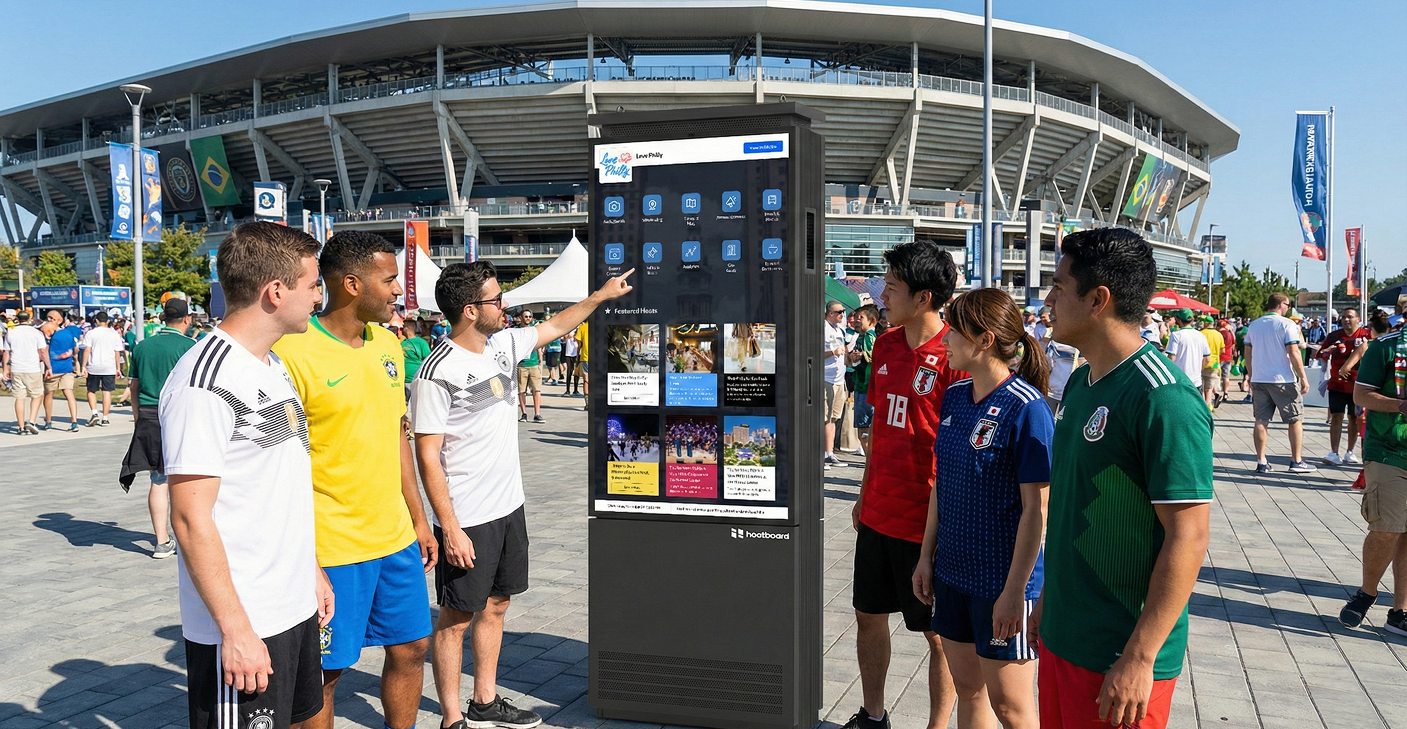
    The success of a modern mega-event depends as much on invisible infrastructure as on physical construction. Digital ticketing, real-time crowd monitoring, mobile navigation, security screening, and communication networks became indispensable throughout the tournament.
    FIFA World Cup 2026
    © hootboard

    As attendance increased with the expanded 48-team format, host cities relied heavily on integrated digital systems to manage visitor flows efficiently. Future sporting infrastructure should embed smart technologies from the earliest design stages, including digital twins, AI-supported operations, IoT sensors, and resilient communication networks capable of responding dynamically to changing conditions.

    5. The Legacy of a Mega Event Begins Before Construction

    Perhaps the tournament’s most valuable lesson is that infrastructure should never be designed solely for a month-long sporting spectacle. Every investment in transport, public space, utilities, and stadium modernization should contribute to long-term urban development.

    FIFA World Cup 2026
    © Nhat V. Meyer via Bay Area News Group

    The multi-country hosting model encouraged cities to improve regional connectivity, modernize transport systems, and upgrade public infrastructure that will continue serving residents long after the final whistle. For architects and planners, the measure of success is not the tournament itself but whether these investments strengthen cities for decades to come. Sustainable legacy planning remains the defining benchmark for future World Cups.

    The FIFA World Cup 2026 demonstrated that the future of mega sporting events lies beyond architecture alone. Climate resilience, integrated transportation, adaptable stadiums, smart digital systems, and long-term urban legacy collectively determine whether a tournament leaves behind meaningful value.

    As cities prepare to host increasingly complex global events in an era of climate uncertainty and rapid urbanization, infrastructure must evolve from serving spectators for a few weeks to supporting communities for generations. The greatest legacy of the FIFA World Cup 2026 may not be remembered for the goals scored on the pitch but for the lessons it offered about designing more resilient, connected, and future-ready cities.


    © Nhat V. Meyer via Bay Area News Group
    Opening Ceremony FIFA 2026 © Ricardo Mazalan/AP Photo
    © Hector Vivas/Getty Images
    © PA Images via Getty Images
    © allstarshuttles.com
    © hootboard
    David Ramos via Getty Images
    FIFA World Cup Football stadiums
    Share. Facebook Twitter Pinterest LinkedIn Tumblr Email
    Pooja Khanna Tyagi

    Pooja Khanna Tyagi is an India-based architect and design writer. Her work engages with architecture, interiors, materials, and evolving lifestyle narratives, with a focus on translating complex ideas into clear, accessible content. With a minimalist sensibility, she uses writing to simplify design ideas. A graduate of Dr. B.N. College of Architecture, Pune (2000), India, she has been active in the writing domain since 2016. She has contributed to leading publications in India and internationally, bringing together professional insight and a measured, articulate voice.

    Related Posts

    Architecture Is Growing Up with Gen Z

    July 30, 2026

    Beyond the Architect: Rethinking Power and Hierarchy in Contemporary Construction Projects

    July 27, 2026

    Why Clearing the Room First Changes Every Renovation Decision You Make

    July 27, 2026
    Add A Comment
    Leave A Reply Cancel Reply

    Demo
    Top Posts

    FIFA World Cup 2030 Stadium Guide

    July 26, 202612 Views

    Harvard Unveils Shape-Shifting Knitted Fabric with Built-In Sensors

    July 26, 202611 Views

    How the Loosdrecht Lakes Became the Netherlands’ Most Fascinating Residential Landscape

    July 31, 20263 Views

    Why Clearing the Room First Changes Every Renovation Decision You Make

    July 27, 20263 Views
    Don't Miss

    How the Loosdrecht Lakes Became the Netherlands’ Most Fascinating Residential Landscape

    By Isha ChaudharyJuly 31, 2026

    What appears to be an AI-generated landscape has become one of the internet’s latest architectural…

    Tashkent’s Modernist Architecture Joins UNESCO World Heritage List

    July 31, 2026

    Architecture Is Growing Up with Gen Z

    July 30, 2026

    Populous to Shape Frankfurt’s Next Major Sports and Entertainment Arena

    July 30, 2026

    Subscribe to Updates

    Get the latest creative news from SmartMag about art & design.

    Demo

    Recent Posts

    • How the Loosdrecht Lakes Became the Netherlands’ Most Fascinating Residential Landscape
    • Tashkent’s Modernist Architecture Joins UNESCO World Heritage List
    • Architecture Is Growing Up with Gen Z
    • Populous to Shape Frankfurt’s Next Major Sports and Entertainment Arena
    • Chile’s 2026 National Architecture Prize Awarded to Pritzker Laureates Alejandro Aravena and Smiljan Radić

    Recent Comments

    No comments to show.
    About Us
    About Us

    Your source for the lifestyle news. This demo is crafted specifically to exhibit the use of the theme as a lifestyle site. Visit our main page for more demos.

    We're accepting new partnerships right now.

    Email Us: [email protected]
    Contact: +1-320-0123-451

    Our Picks

    How the Loosdrecht Lakes Became the Netherlands’ Most Fascinating Residential Landscape

    July 31, 2026

    Tashkent’s Modernist Architecture Joins UNESCO World Heritage List

    July 31, 2026

    Architecture Is Growing Up with Gen Z

    July 30, 2026
    Most Popular

    FIFA World Cup 2030 Stadium Guide

    July 26, 202612 Views

    Harvard Unveils Shape-Shifting Knitted Fabric with Built-In Sensors

    July 26, 202611 Views

    How the Loosdrecht Lakes Became the Netherlands’ Most Fascinating Residential Landscape

    July 31, 20263 Views

    Archives

    • July 2026
    • June 2026
    • May 2026
    • April 2026
    • March 2026
    • February 2026
    • January 2026
    • December 2025
    • November 2025
    • October 2025
    • September 2025
    • August 2025
    • July 2025
    • June 2025
    • May 2025
    • April 2025
    • March 2025
    • February 2025
    • January 2025
    • December 2024
    • November 2024
    • October 2024
    • September 2024
    • August 2024
    • July 2024
    • June 2024
    • May 2024
    • April 2024
    • March 2024
    • February 2024
    • January 2024
    • December 2023
    • November 2023
    • October 2023
    • September 2023
    • August 2023
    • July 2023
    • June 2023
    • May 2023
    • April 2023
    • March 2023
    • February 2023
    • January 2023
    • December 2022
    • November 2022
    • October 2022
    • September 2022
    • August 2022
    • July 2022
    • June 2022
    • May 2022
    • April 2022
    • March 2022
    • February 2022
    • January 2022
    • December 2021
    • November 2021
    • October 2021
    • September 2021
    • August 2021
    • July 2021
    • June 2021
    • May 2021
    • April 2021
    • March 2021
    • February 2021
    • January 2021
    • December 2020
    • November 2020
    • October 2020
    • September 2020
    • August 2020
    • July 2020
    • June 2020
    • May 2020
    • April 2020
    • March 2020
    • February 2020
    • January 2020
    • November 2019
    • October 2019
    • September 2019
    • August 2019
    • July 2019
    • June 2019
    • May 2019
    • April 2019
    • March 2019
    • February 2019
    • January 2019
    • December 2018
    • November 2018
    • October 2018
    • September 2018
    • August 2018

    Categories

    • 3D Printing
    • Ads
    • Archipreneurs
    • Architects
    • Architecture
    • Architecture & Design
    • Architecture News
    • Articles
    • Artificial Intelligence
    • BIM / AEC
    • Books
    • Case Study
    • CDNext
    • CDNEXT Recordings
    • City Guide
    • Competitions
    • Design
    • Digital Art
    • Digital Members
    • Events
    • Fashion
    • Geography
    • Installation
    • Interior
    • Interviews
    • Jobs
    • landscape
    • Landscape Architecture
    • Landscape Design
    • memorial
    • Metaverse
    • Opinions
    • PA Quotes
    • PA Talks
    • PAACADEMY
    • Pavilion
    • podcasts
    • Products
    • Projects
    • Robotics
    • Space Architecture
    • Studio Recordings
    • Studio Workshops
    • Sustainability
    • Technology
    • Tools
    • Urbanism
    • Videos
    • Workshops
    Facebook X (Twitter) Instagram Pinterest Dribbble
    © 2026 ThemeSphere. Designed by ThemeSphere.

    Type above and press Enter to search. Press Esc to cancel.