


Architecture is entering a new phase shaped by computation. Over the past decade, computational design has moved from experimental research labs into the everyday workflows of leading architecture studios. Rather than drawing a single building form, architects are increasingly creating systems and algorithms that generate and evaluate multiple design possibilities.
This shift allows designers to integrate geometry, environmental performance, structural logic, and data analysis into a single process. Buildings are no longer just composed of drawings. They are increasingly developed through dynamic digital systems that test, iterate, and refine ideas long before construction begins.
How Global Studios Are Adopting Computational Workflows
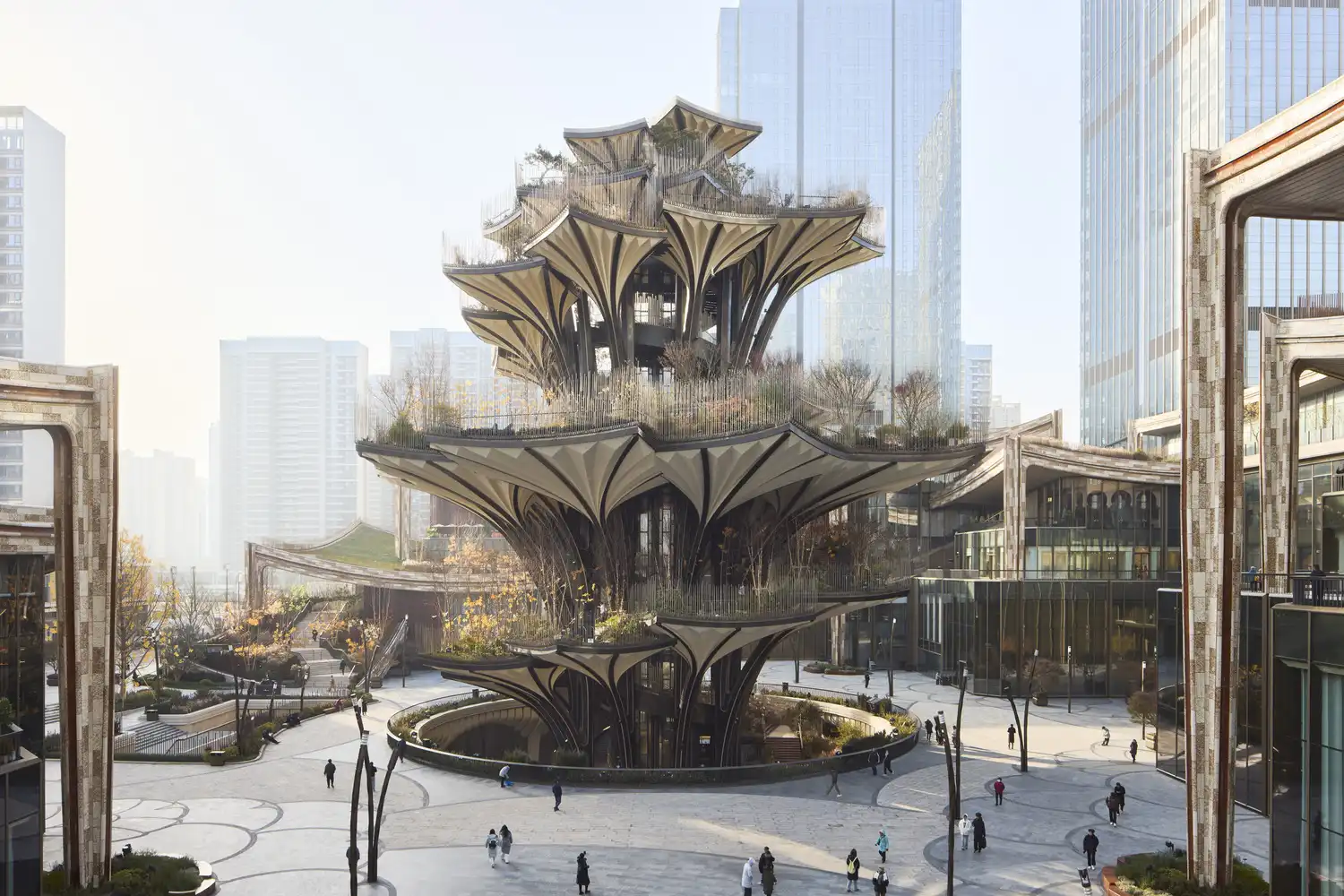
Computational design is not simply about using advanced software such as Rhino or Grasshopper. It represents a broader change in how architects approach design problems. Parametric modeling, generative systems, and performance simulations allow teams to explore complex geometries while simultaneously analyzing factors like daylight, airflow, and structural efficiency.
As a result, architecture is moving from static geometry toward systems thinking. Designers can now embed rules and relationships within a model so that when one parameter changes, the entire design adapts. This capability enables architects to respond to increasingly complex urban, environmental, and technological conditions.
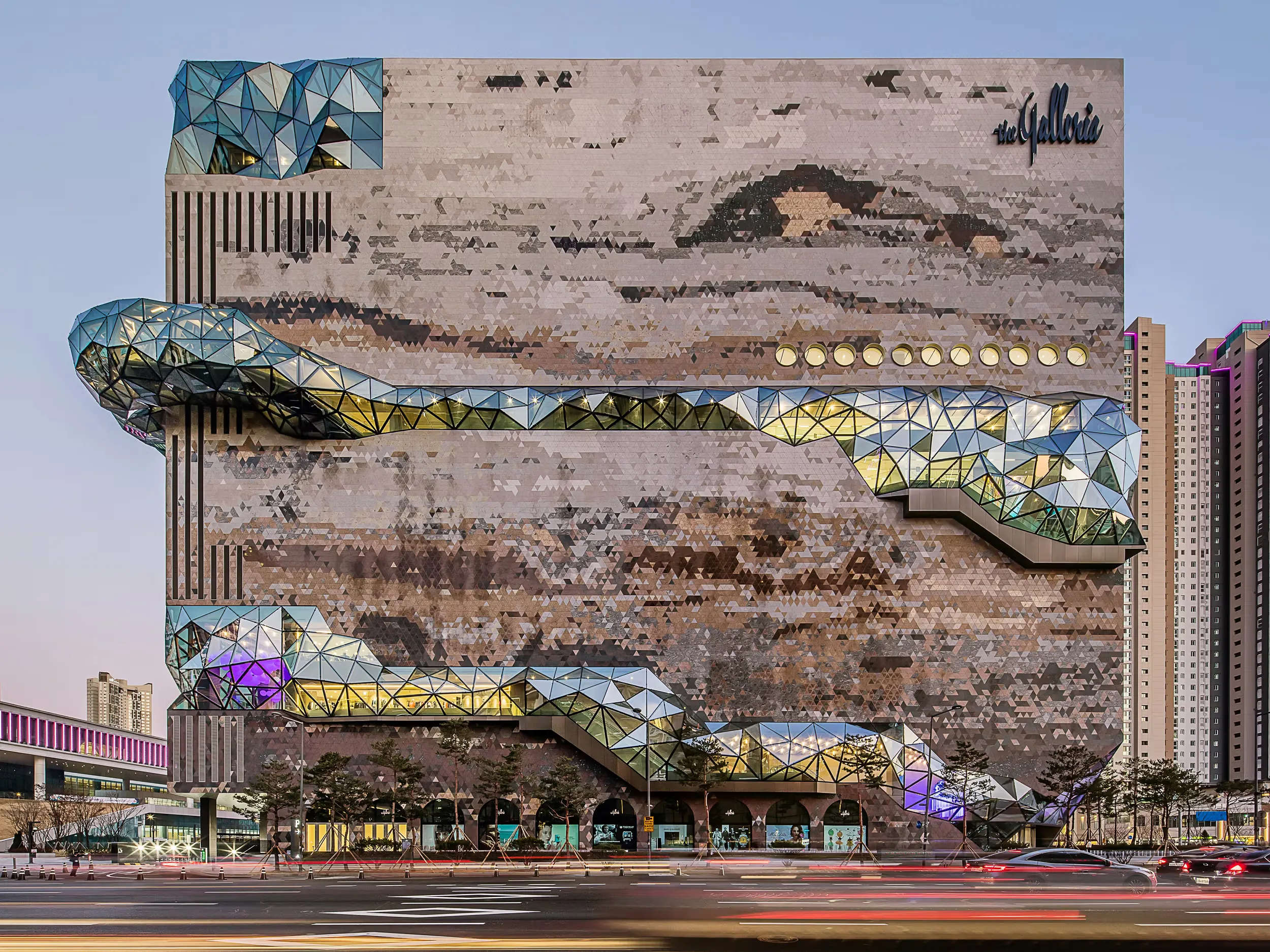
Many of the world’s most influential architecture firms have embraced computational design as a core part of their practice. Studios such as Bjarke Ingels Group, Foster + Partners, Heatherwick Studio, and Zaha Hadid Architects have established dedicated teams focused on digital research and workflow development.
These teams explore everything from generative facade systems and parametric urban planning to robotic fabrication and AI-assisted concept generation. In many cases, computational designers work closely with project teams from the earliest stages of design, helping translate architectural ideas into programmable processes.
A Global Conversation on Digital Practice
As computational design continues to reshape architecture, discussions around digital workflows and technological innovation are moving beyond individual studios into larger professional conversations. Architects, technologists, and researchers are increasingly gathering to exchange ideas, share experimental methods, and explore how digital tools are transforming the profession.
One event reflecting this growing dialogue is ATN Summit 2026, which will take place on 18–19 March at Protein Studios in Shoreditch, London. Organized by the Archi-Tech Network (ATN), the summit marks the community’s first major in-person gathering after several years of building an international audience through online knowledge sharing and discussions around design technology.
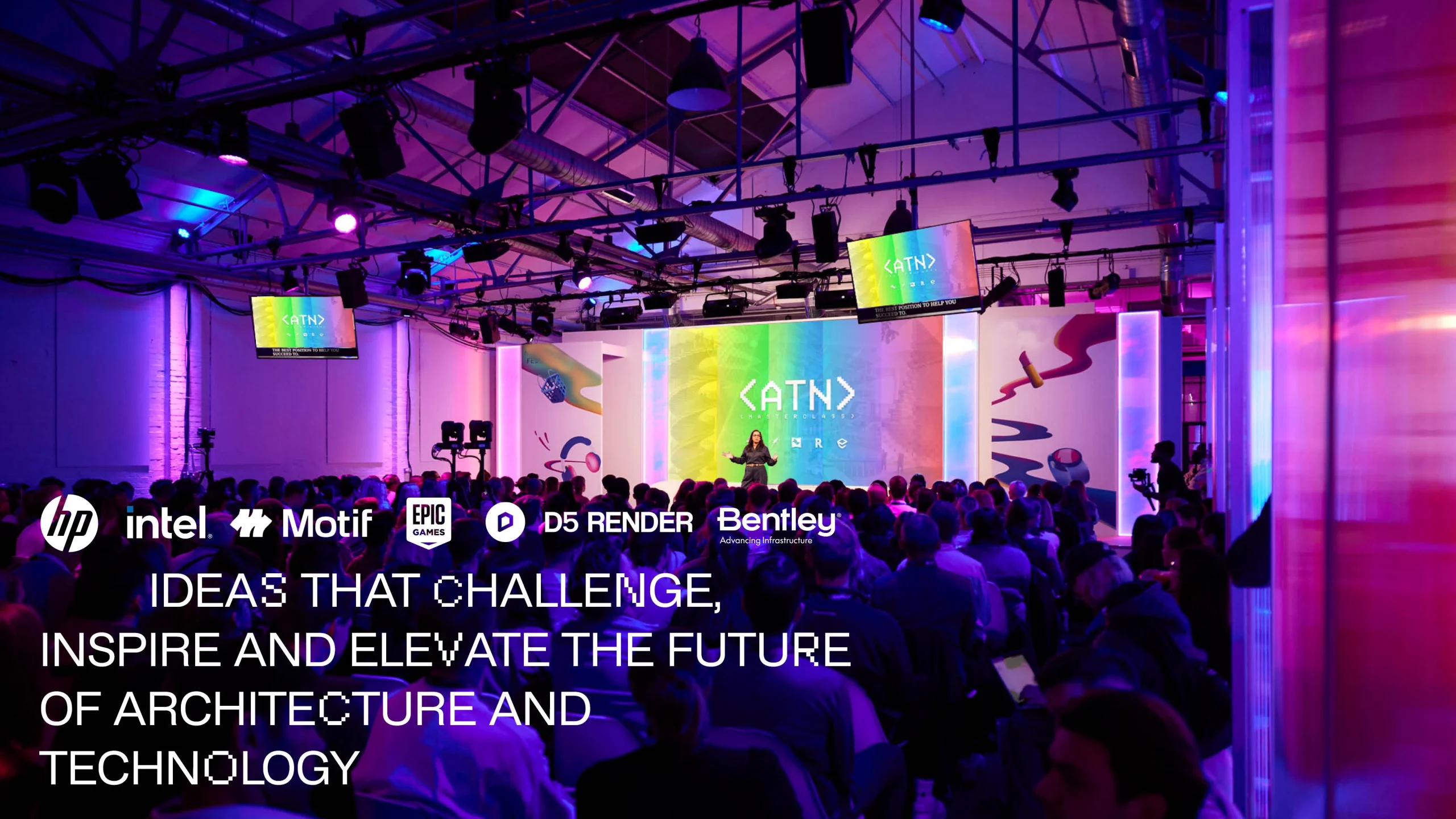
ATN began as a small online platform where architects shared practical tips about digital workflows, software tools, and computational methods. Over time, the network expanded into a global community of architects, designers, and technologists interested in the future of architectural practice. The summit represents a natural extension of this community, bringing together professionals who are actively shaping the digital transformation of the built environment.
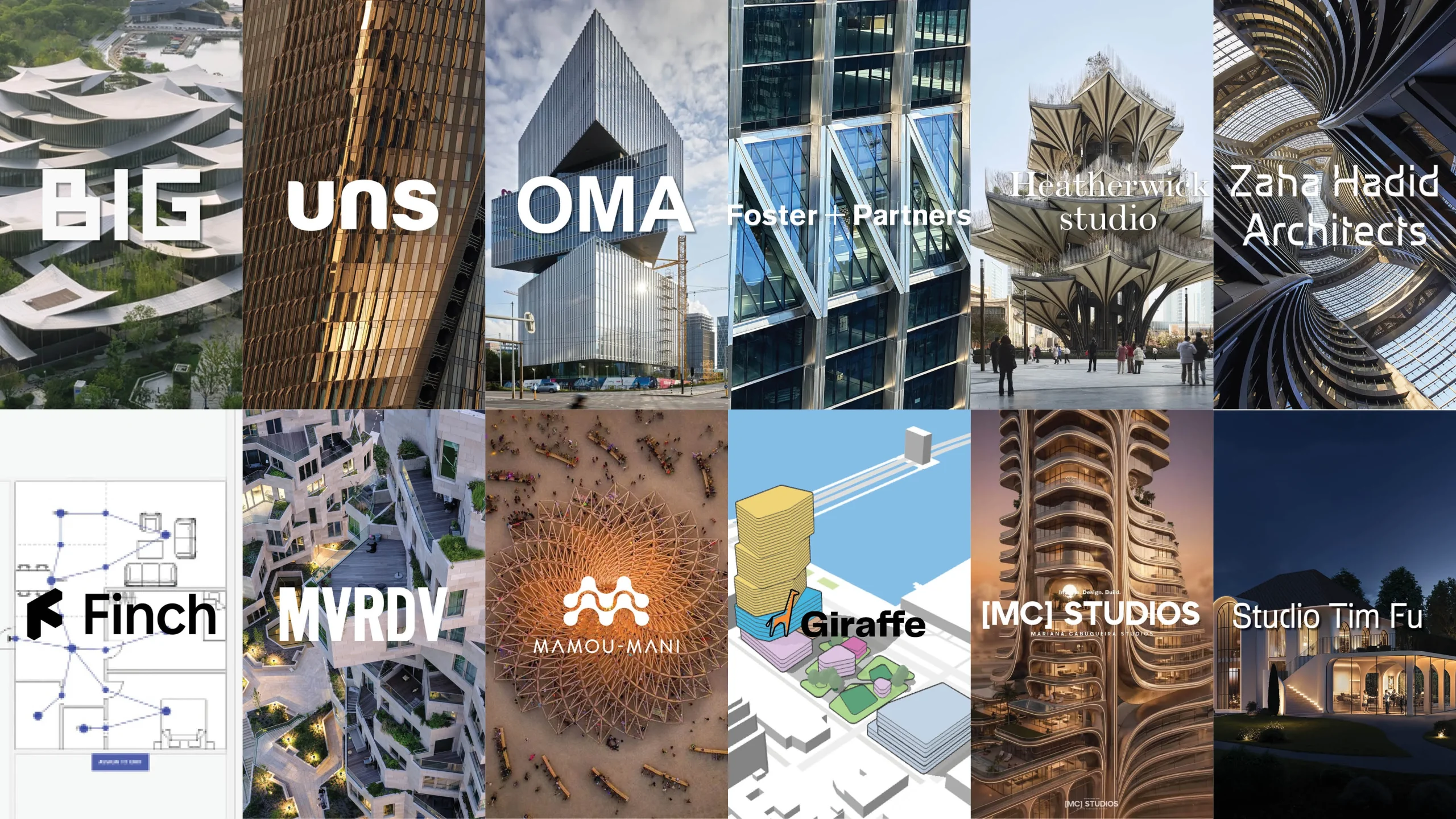
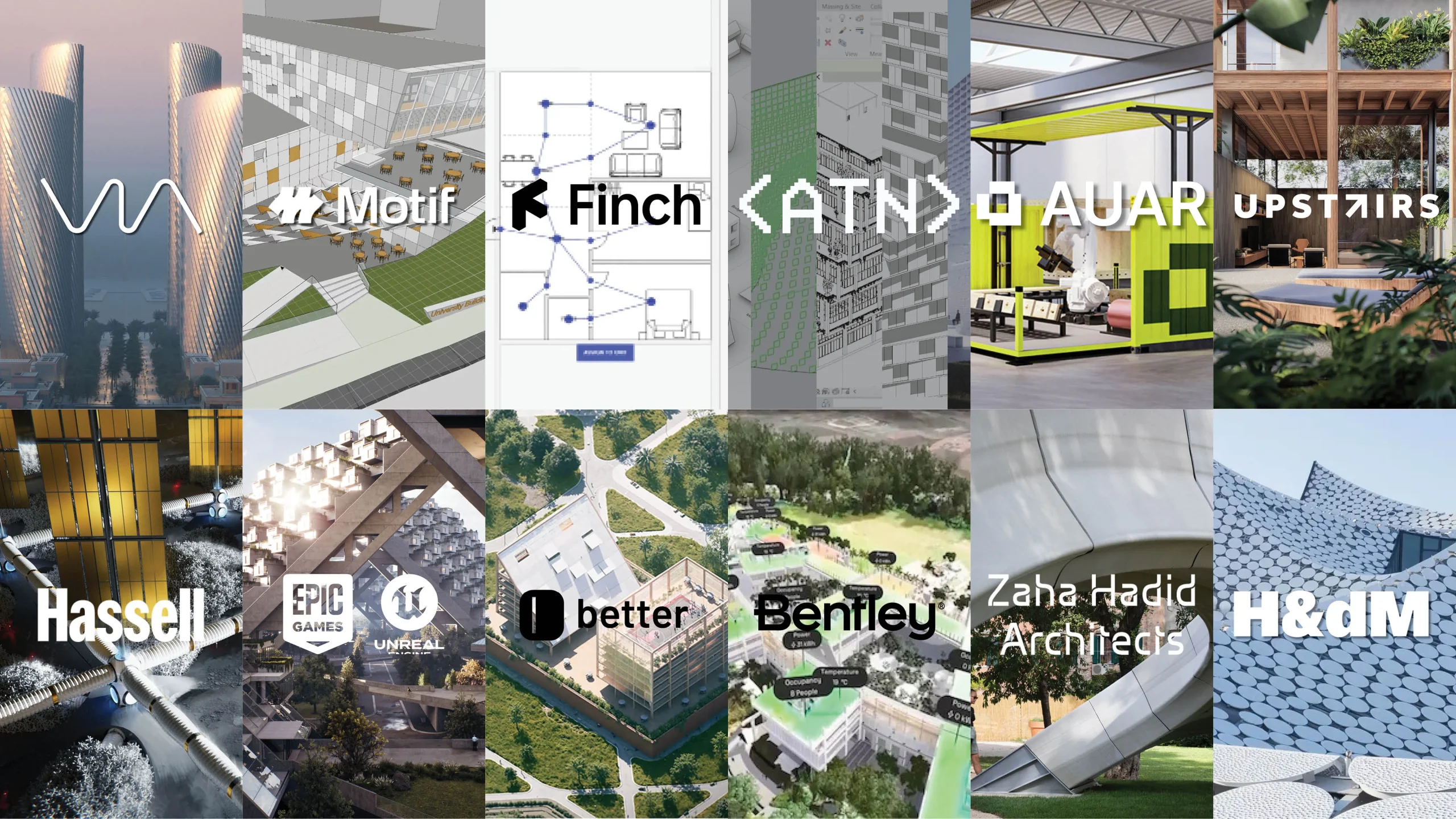
The speaker lineup includes design technology specialists and practice leaders from some of the world’s most influential studios. Among them are Oliver Thomas of Bjarke Ingels Group, Pablo Zamorano of Heatherwick Studio, and Martha Tsigkari, Head of Applied R+D at Foster + Partners, alongside representatives from firms such as Zaha Hadid Architects and KPF. Many of these professionals are directly involved in developing computational workflows, AI-driven design tools, and advanced digital methodologies within their organizations.
Unlike traditional architecture conferences that often focus on project presentations, the ATN Summit is structured around short, focused talks designed to share a single insight or lesson. There are no parallel sessions, meaning all attendees experience the same set of presentations. This format is intended to create a shared dialogue and encourage deeper conversations around emerging technologies and design practices.
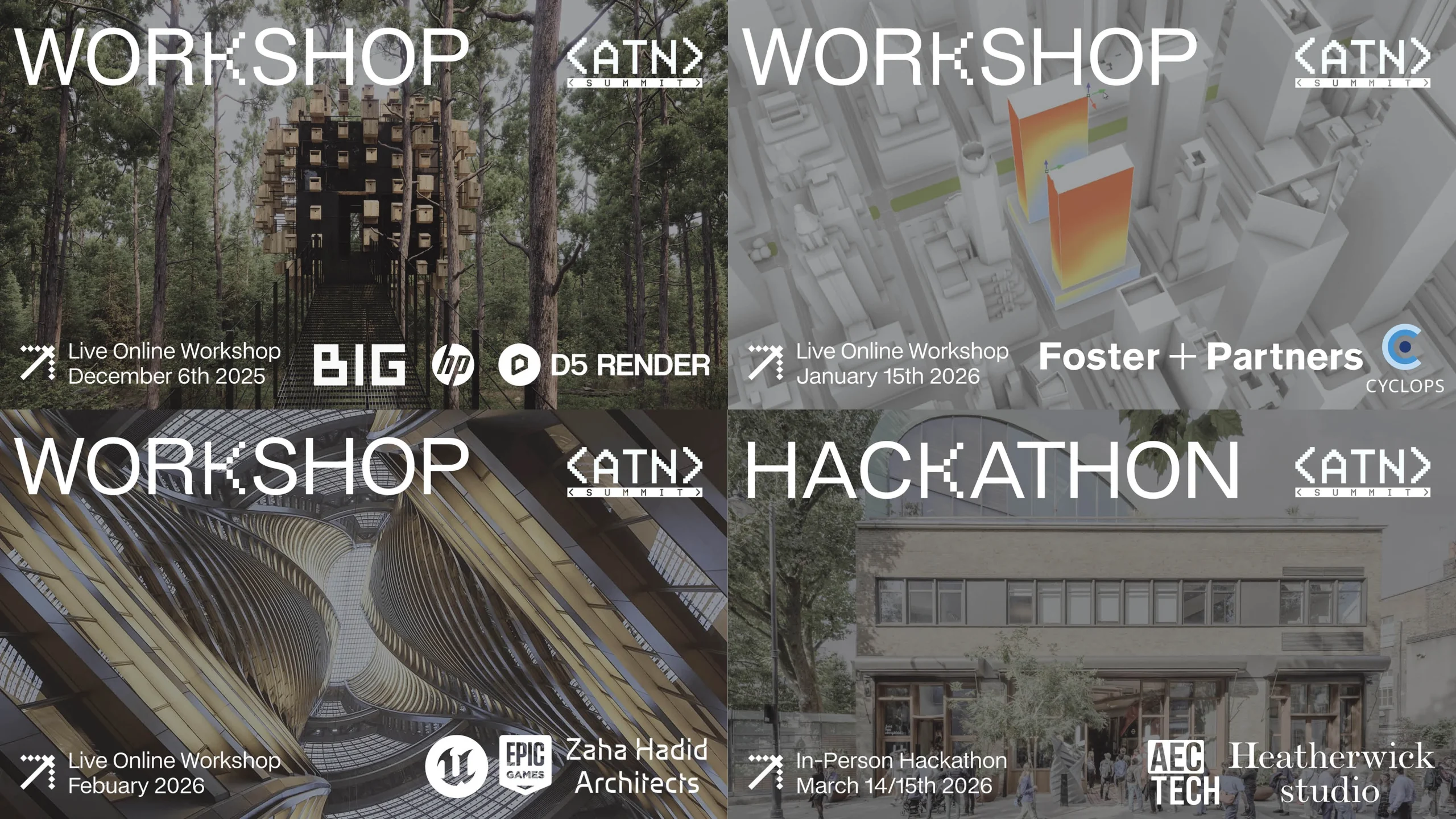
The topics discussed at the summit reflect the challenges currently reshaping architecture. These include computational design workflows, AI-assisted design processes, automation in BIM environments, immersive visualization technologies, and new models of practice leadership in a rapidly changing industry. In the weeks leading up to the main event, ATN is running a series of free online workshops with partner firms like Bjarke Ingels Group, ZHA, Foster + Partners, and KPF. There’s even a collaborative hackathon hosted with Heatherwick Studio.
For the complete speaker list, session breakdown, and schedule, readers can check the full program on the official ATN Summit website.
What Makes the ATN Summit Different
Computational design is embedded in everyday practice, especially in larger studios where parametric systems, automation, and performance analysis shape how projects move from concept to construction. Firms such as Bjarke Ingels Group, Foster + Partners, Heatherwick Studio, Zaha Hadid Architects, and KPF have internal research or design technology teams working directly alongside project architects. In that sense, the shift toward computation is already well underway.
Against this backdrop, the ATN Summit takes a slightly different position. Instead of presenting computational design as a spectacle or a set of impressive outputs, the event focuses on how these methods are actually integrated into practice. The talks are intentionally short and structured around a single lesson or insight. This format limits broad overviews and discourages portfolio-style presentations. It pushes speakers to articulate one clear idea, often grounded in workflow development, decision-making processes, or organizational change.
The single-track structure also shapes the tone of the event. With no parallel sessions, everyone listens to the same presentations. That removes the hierarchy often found at larger conferences, where technical discussions happen in smaller rooms while headline talks occupy the main stage. Here, computational design, AI workflows, BIM automation, leadership, and studio culture are part of one continuous conversation.
The summit grew out of an online knowledge-sharing community focused on practical digital workflows. That background influences the kind of discussions it hosts. Speakers often address how systems evolve inside studios, how teams adapt to new tools, and how computational thinking affects collaboration between designers, engineers, and technologists.
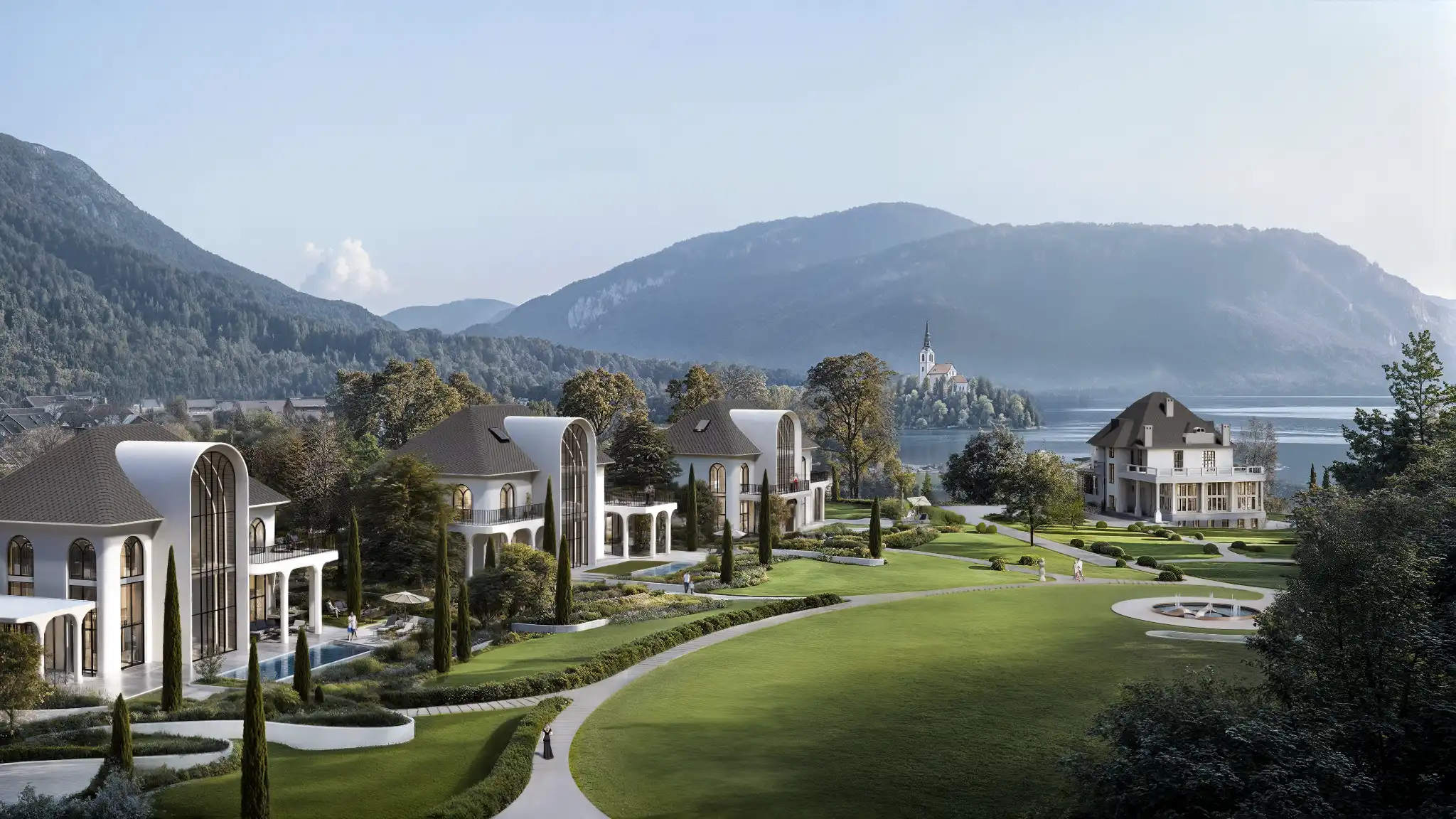
As architecture continues to move toward data-driven and algorithmic methods, the need for critical discussion around implementation, authorship, and responsibility becomes more visible. The summit appears to situate itself within that space, offering a forum that examines how computational design is reshaping practice from the inside rather than simply showcasing its outcomes.
What the Next Generation of Practice Looks Like
Computational design is no longer a niche discipline within architecture. It has become a central part of how buildings are conceived, analyzed, and realized. By combining data, algorithms, and creative intuition, architects are expanding the boundaries of form, performance, and construction.
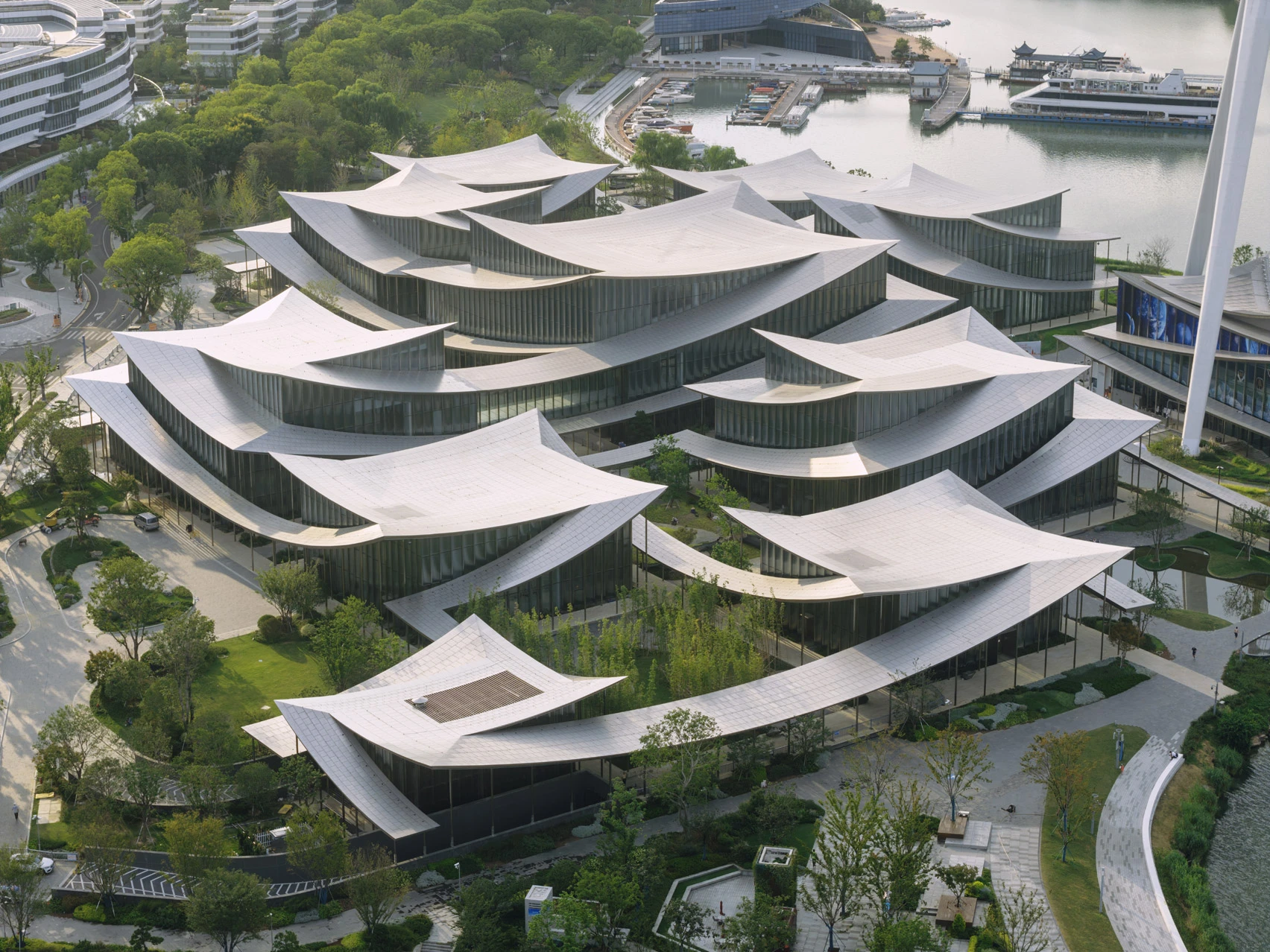
As digital tools continue to evolve, architecture will likely become even more interdisciplinary and technologically integrated. Yet the core mission of the discipline remains unchanged: shaping spaces that respond to human needs and cultural contexts.
What computational design offers is not a replacement for architectural creativity but a powerful extension of it. And as conversations around technology, design, and innovation continue to grow, architects around the world are redefining what it means to design in the digital age.


