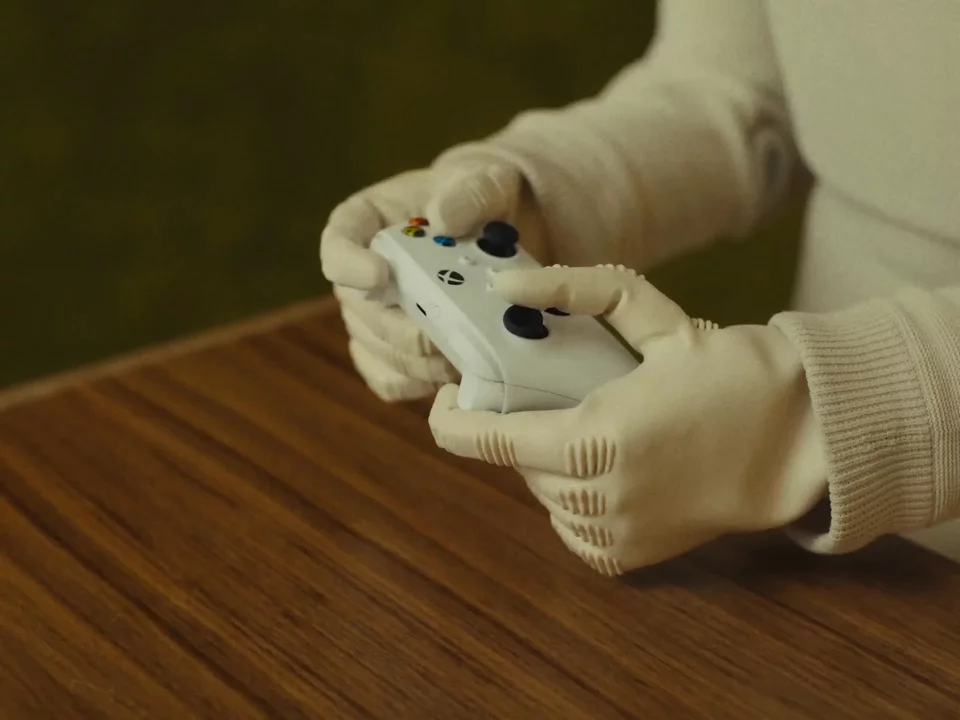
For years, the biggest challenge in humanoid robotics wasn’t walking, balancing, or even artificial intelligence; it was the hands.
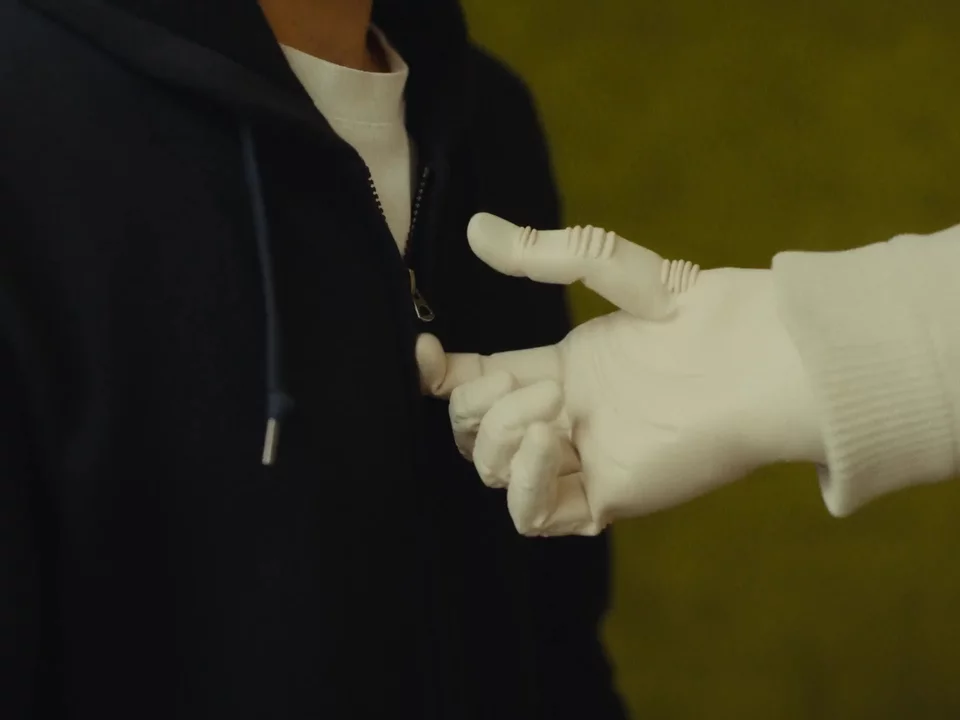
A robot can navigate a room, identify objects, and plan complex tasks, but without dexterous hands, it still struggles with everyday actions like buttoning a shirt, folding laundry, opening a zipper, or gently picking up a fragile glass.
Norwegian robotics company 1X aims to change that.
The company has unveiled NEO Hands, a new robotic hand system developed for its NEO humanoid robot. The design prioritizes human-like dexterity, tactile perception, speed, and precision, enabling robots to manipulate objects in environments built entirely for humans.
The announcement marks another step toward making humanoid robots practical for homes, workplaces, and care environments.

Humanoid Robots Just Got a Major Upgrade
Designing a humanoid robot is only half the challenge. The real complexity lies at the end of each arm.
Human hands are remarkably sophisticated biological machines containing the following:
- 27 bones
- More than 30 muscles
- Hundreds of sensory receptors
- Extraordinary coordination between touch, force, and movement
People rarely notice these capabilities until trying to replicate them mechanically.
Most humanoid robots today compensate with simplified grippers or limited-finger designs. While effective in factories, these systems struggle with delicate manipulation because homes and offices are designed around human hands, not robotic claws.
This is exactly the problem 1X set out to solve.
Introducing NEO Hands
NEO Hands are specifically engineered for general-purpose humanoid manipulation, enabling robots to perform a wide range of tasks in environments designed for humans. Unlike traditional industrial grippers that are optimized for repetitive, pre-programmed operations, these robotic hands are built to handle thousands of everyday interactions that require adaptability and precision.
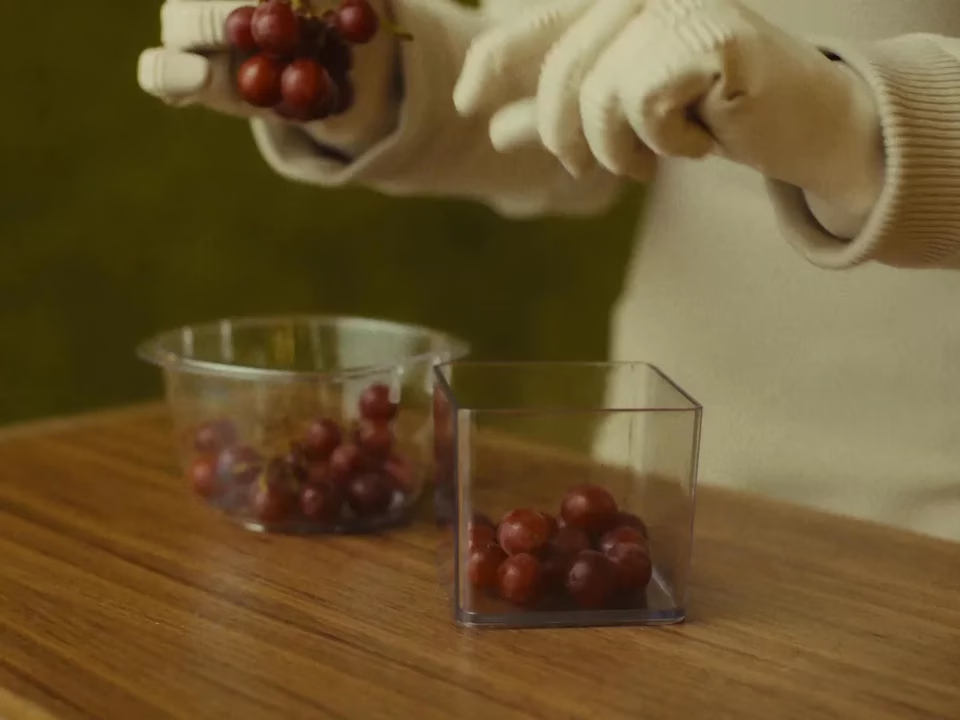
The system combines a human-inspired anatomical design with high-speed actuation, advanced tactile sensing, integrated force control, and machine learning-based manipulation. Working together, these technologies allow the humanoid robot to continuously adjust its grip based on the shape, weight, and texture of an object, resulting in more natural, accurate, and versatile manipulation.
A 25-Degree-of-Freedom Mechanical Design
One of the defining characteristics of NEO Hands is their 25 degrees of freedom (DoF).
Degrees of freedom describe the number of independently controllable movements within a robotic mechanism.

Higher DoF generally translates into greater dexterity.
The robotic hand includes independently movable fingers capable of:
- Finger flexion and extension
- Thumb opposition
- Object reorientation
- Multi-finger coordination
- Precision pinch grips
- Power grasps
This allows the robot to reproduce many grasp patterns commonly used by humans.
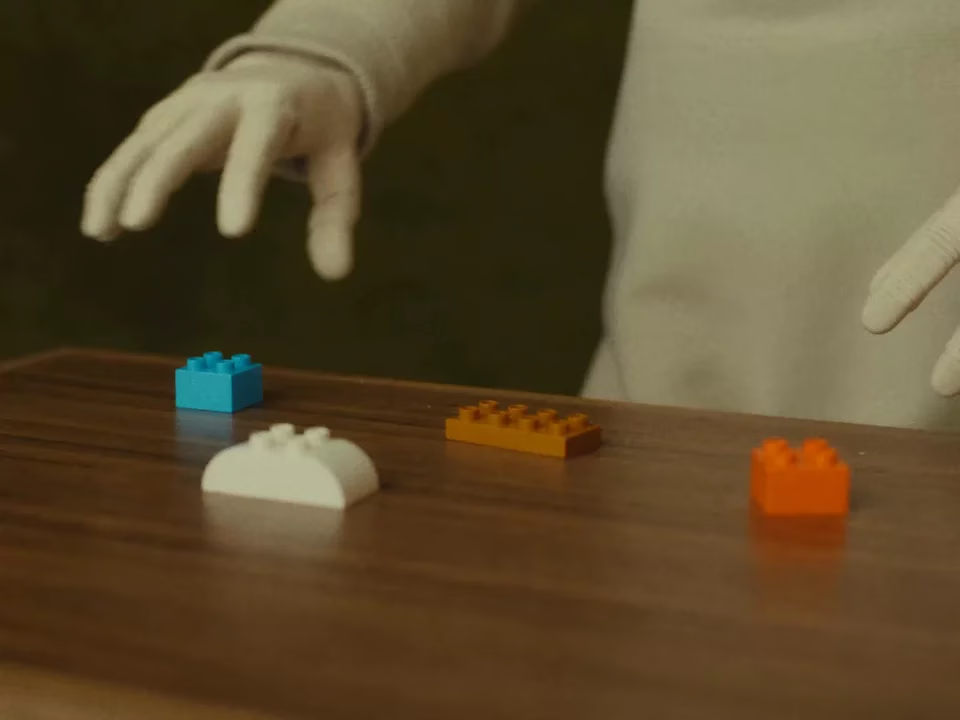
Instead of approaching every object with identical movements, NEO Hands can continuously adjust finger positions based on object geometry and contact feedback.
Human-Like Dexterity Through Tendon-Driven Engineering
To replicate the flexibility and precision of the human hand, 1X has adopted a tendon-inspired transmission architecture instead of relying solely on rigid mechanical joints. Similar to how human tendons transfer force from muscles to fingers, artificial tendons distribute movement across the robotic hand, allowing for smoother and more coordinated finger motion while reducing overall weight. This design improves energy efficiency, minimizes inertia, enables quieter operation, and enhances compliance when interacting with objects.
As a result, NEO Hands move with fluid, natural motions and mechanical gestures typically associated with conventional robotic grippers, making them better suited for complex, human-like manipulation.
Touch Is the Missing Sense
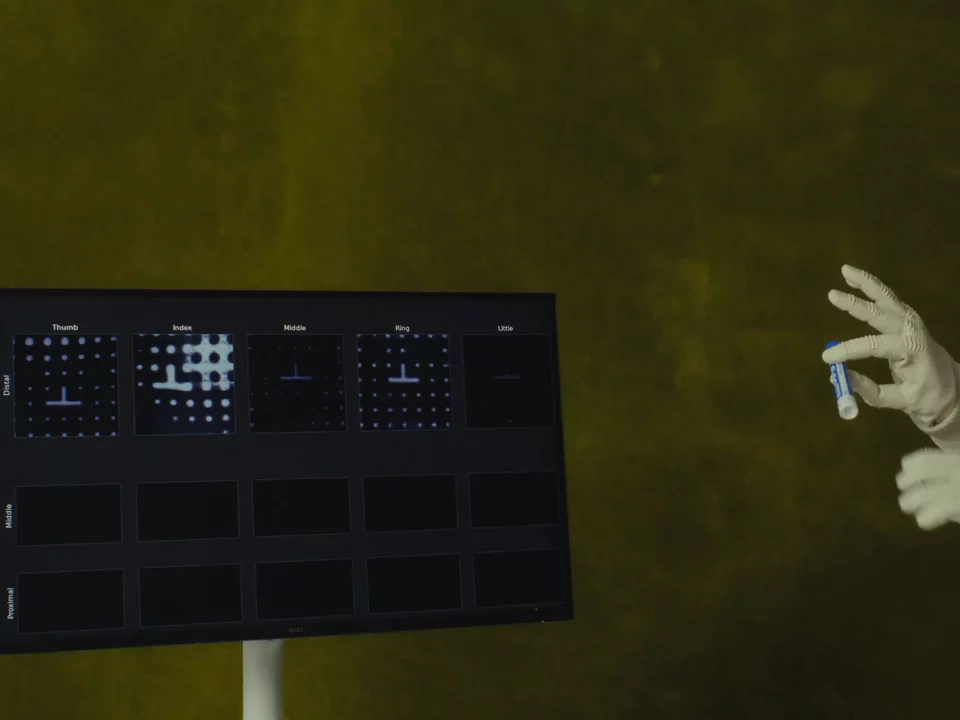
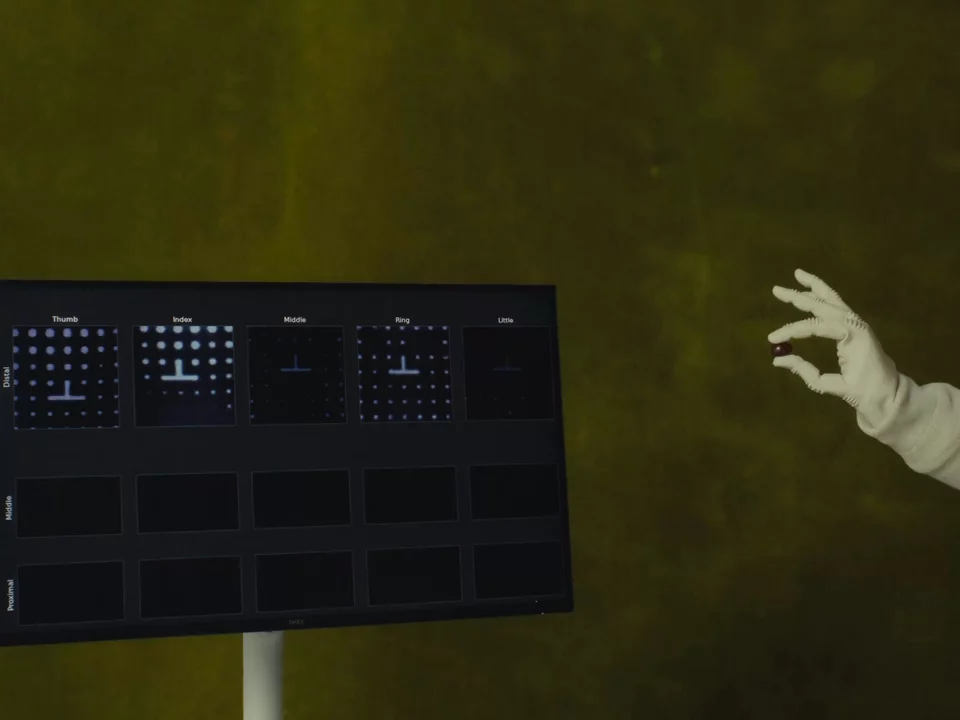
Dexterous movement alone is not enough for a robot to handle real-world objects safely. Humans constantly rely on tactile feedback to adjust grip force without conscious effort—whether holding a fragile egg, turning a key, or carrying a cup of coffee. To replicate this capability, NEO Hands incorporate distributed tactile sensors across the fingers that continuously monitor contact location, grip pressure, object slippage, surface interaction, and force distribution.
This real-time sensory feedback enables the humanoid robot to automatically adjust its grip based on the object it is handling, preventing fragile items from being crushed while ensuring heavier or smoother objects do not slip. Such tactile intelligence is essential for performing delicate household tasks and safely interacting with the diverse range of objects found in everyday environments.
Fast Enough for Real-World Tasks
Another major improvement is manipulation speed.
Many humanoid robots appear slow because every finger movement is carefully calculated before execution.
NEO Hands significantly increase manipulation speed through optimized actuation and faster control loops.
The improved responsiveness enables quicker:
- grasp formation
- object transfers
- finger repositioning
- in-hand manipulation
Speed matters because household environments are dynamic.
Opening doors, catching moving objects, folding clothing, or preparing food all require rapid adjustments that slow robotic systems often fail to achieve.
AI and Robotics Work Together
Advanced hardware alone is not enough to achieve human-like manipulation. NEO Hands combine sophisticated mechanical engineering with AI-driven perception and control, allowing the humanoid robot to understand how different objects should be grasped and handled. The system integrates visual perception, tactile sensing, motion planning, force feedback, and reinforcement learning to make real-time decisions during manipulation.
As the robot encounters a wider variety of objects, it continuously refines its grasping strategies through learning rather than relying solely on pre-programmed movements. For example, after learning how to pick up one type of mug, the robot can apply that knowledge to grasp mugs of different shapes, sizes, and materials, making its skills more adaptable over time.
Why This Is Different From Traditional Robotic Grippers
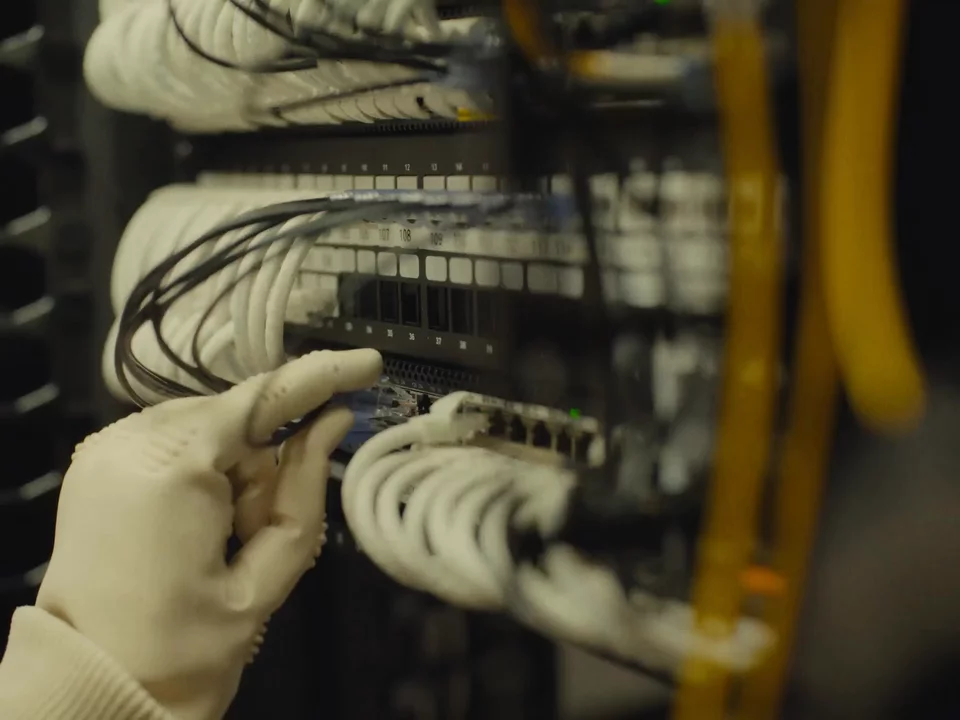
Traditional robotic grippers have long been optimized for repetitive manufacturing tasks in controlled environments, where objects are consistently positioned and predictable. Most use simple two-finger designs that excel at repetitive pick-and-place operations but struggle with the variability of everyday objects. NEO Hands represent a fundamentally different approach by prioritizing adaptability, precision, safety, and human compatibility over maximum production speed.
Equipped with multiple articulated fingers, tactile sensing, and AI-assisted control, they are capable of handling a diverse range of objects with greater dexterity and care. This evolution highlights the changing focus of humanoid robotics—from automating factory workflows to enabling robots to assist people in homes, workplaces, and other real-world environments.
Where Could Humanoid Robots Use NEO Hands?
If the technology performs reliably at scale, it could expand humanoid robot capabilities across multiple industries.
Potential applications include:
Home Assistance
Robots could help with:
- laundry
- dishwashing
- organizing shelves
- meal preparation
- cleaning
Elder Care
Humanoid robots may eventually assist caregivers by handling repetitive physical tasks while safely interacting with vulnerable individuals.
Logistics
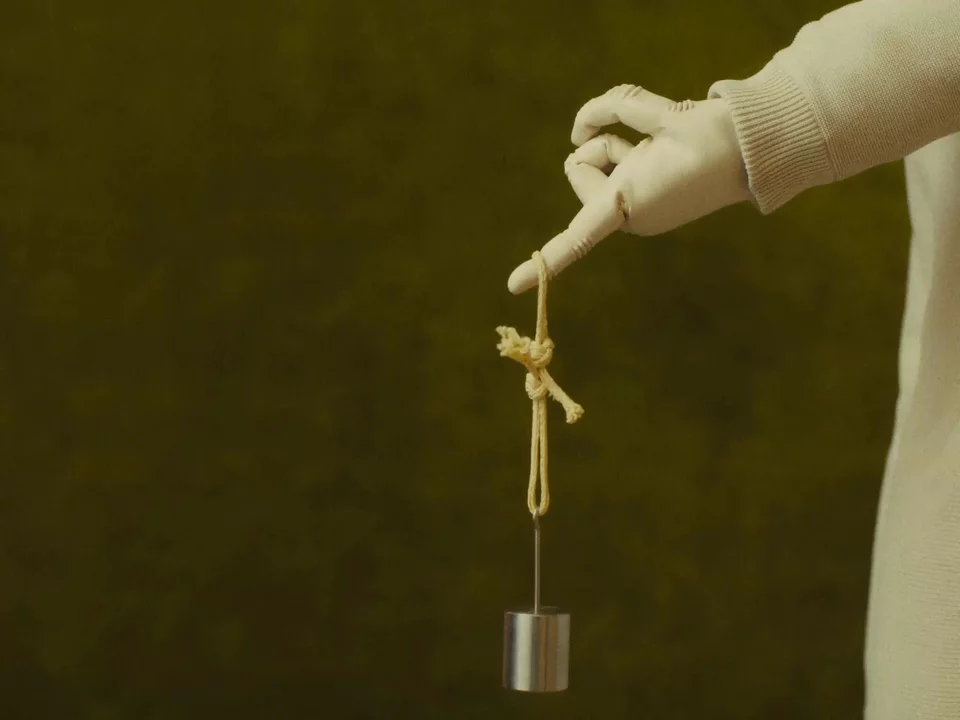
Dexterous robotic hands could improve package sorting, inventory handling, and warehouse operations involving irregular objects.
Hospitality
Hotels, restaurants, and service environments often require manipulation of varied objects rather than repetitive manufacturing tasks.
Healthcare Support
Robots may assist with equipment handling, room preparation, and supply management where gentle object manipulation is essential.
The Race for Better Humanoid Robot Hands
1X is not alone in pursuing human-level manipulation.
Companies including Tesla, Figure AI, Agility Robotics, Sanctuary AI, Apptronik, and Boston Dynamics are all investing heavily in dexterous robotic hands because manipulation remains one of the biggest barriers to widespread humanoid deployment.
While walking robots have become increasingly capable, practical usefulness still depends on how effectively they can interact with everyday objects.
In many ways, the future of humanoid robotics may be determined not by mobility but by manual dexterity.
What Makes NEO Hands Significant?
NEO Hands are notable not because they resemble human hands, but because they are designed around the practical requirements of human environments.
Their combination of 25 degrees of freedom, tendon-driven mechanics, tactile sensing, rapid actuation, and AI-assisted manipulation represents an effort to bridge the long-standing gap between robotic capability and human dexterity.
Whether folding clothes, picking up fragile objects, or performing complex household tasks, the ability to manipulate the physical world safely and efficiently remains one of robotics’ greatest challenges.
By focusing on the hand—the primary interface between robots and the real world—1X is addressing one of the most critical technical hurdles standing between experimental humanoids and machines capable of meaningful everyday assistance.
Credit: 1X NEO