Close Menu

    Subscribe to Updates

    Get the latest creative news from FooBar about art, design and business.

    What's Hot

    How the Loosdrecht Lakes Became the Netherlands’ Most Fascinating Residential Landscape

    July 31, 2026

    Tashkent’s Modernist Architecture Joins UNESCO World Heritage List

    July 31, 2026

    Architecture Is Growing Up with Gen Z

    July 30, 2026
    Facebook X (Twitter) Instagram
    Facebook X (Twitter) Instagram
    ParametricParametric
    Subscribe
    ParametricParametric
    Home»Articles»Tools»10 Architecture Tools Using AI That Are Transforming Design in 2026
    Tools

    10 Architecture Tools Using AI That Are Transforming Design in 2026

    Pooja Khanna TyagiBy Pooja Khanna TyagiJuly 4, 2026Updated:July 10, 202605 Mins Read0 Views
    Facebook Twitter Pinterest LinkedIn Tumblr WhatsApp Reddit Email
    © Abhishek Jain via PAACADEMY
    Share
    Facebook Twitter LinkedIn Pinterest Email

    Architecture in 2026 is evolving rapidly as artificial intelligence becomes an integral part of the design process. Designing a building is no longer limited to drafting plans or producing construction documents. Today, architects use a growing range of architecture tools that incorporate AI to generate ideas, evaluate design options, predict building performance, and streamline decision-making long before construction begins.

    Rather than replacing creativity, AI is enhancing the software architects already rely on. From BIM platforms and parametric modeling tools to generative design applications and AI-driven visualization, these technologies help automate repetitive tasks, improve collaboration, and support more informed decisions about space, materials, sustainability, and building performance.

    Here are 10 architecture tools using AI that are transforming the way architects design, collaborate, and deliver projects in 2026.

    1. Autodesk Revit
    10 AI Platforms Every Architect Should Use in 2026
    © autodesk

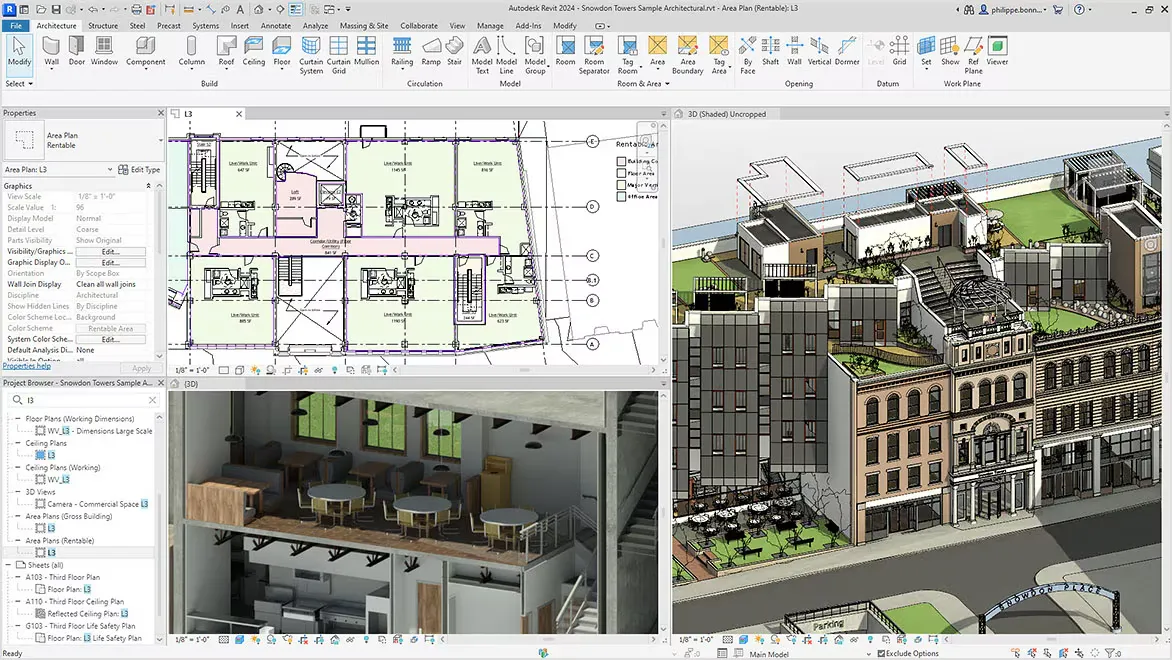
    Autodesk Revit continues to be one of the most widely used building information modeling tools. What has changed in recent years is how much intelligence has been added to it. AI-powered features help automate routine tasks, identify design conflicts, and provide predictive insights throughout the design process. Instead of only documenting design, it now helps detect coordination issues early, suggests improvements in model structure, and supports performance-related decisions.

    Architects use it to understand how a building behaves before construction begins, especially in terms of energy use and spatial efficiency. It remains the central platform for project delivery in many firms.

    2. Autodesk Forma
    10 AI Platforms Every Architect Should Use in 2026, Tools
    © autodesk

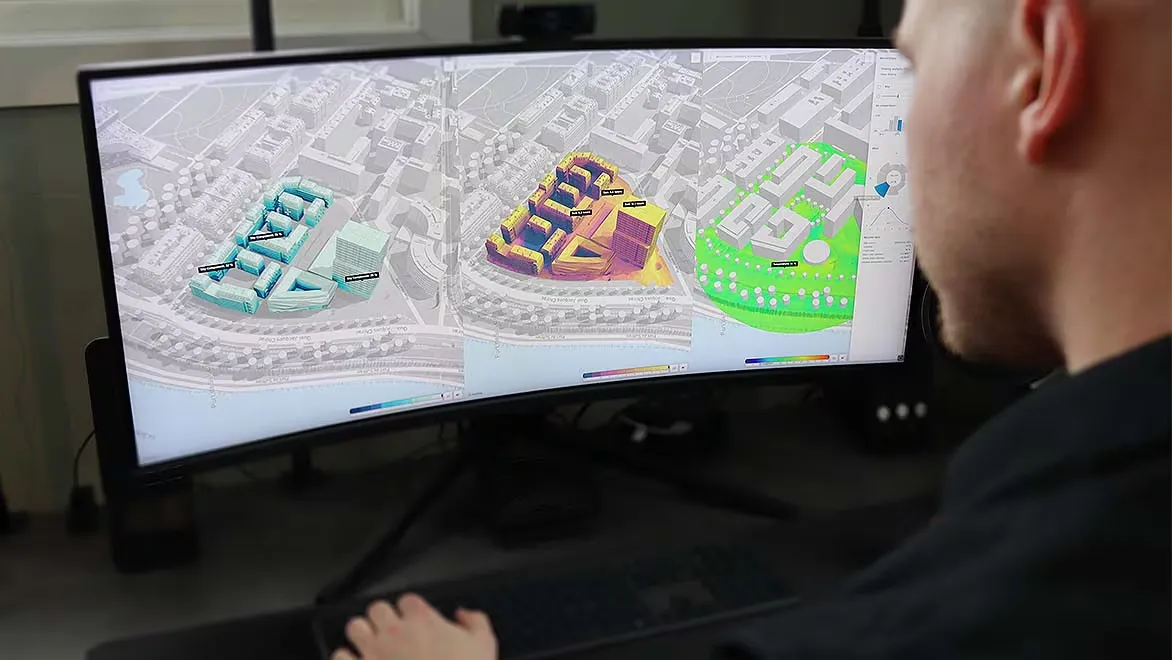
    Autodesk Forma is designed for the earliest stages of design when ideas are still flexible. Its AI-powered analysis instantly evaluates design options, providing data-driven insights for faster decision-making. It allows architects to test building massing options while understanding environmental factors like sunlight, wind flow, and noise.

    What makes it valuable is the speed of feedback; instead of waiting for manual analysis, designers can immediately see how each idea performs. This makes early planning more informed and less dependent on guesswork.

    3. ComfyUI

    © comfyui.org

    ComfyUI is an open-source, node-based AI platform that enables architects to build custom image-generation workflows. It offers precise control over prompts, models, and rendering, supporting faster and more flexible design exploration.

    ComfyUI helps architects generate multiple design concepts, refine visualizations, automate rendering workflows, and maintain consistent styles. Its local AI support, customization, and advanced controls make it ideal for architectural visualization.

    4. SketchUp
    10 AI Platforms Every Architect Should Use in 2026
    © 3D warehouse

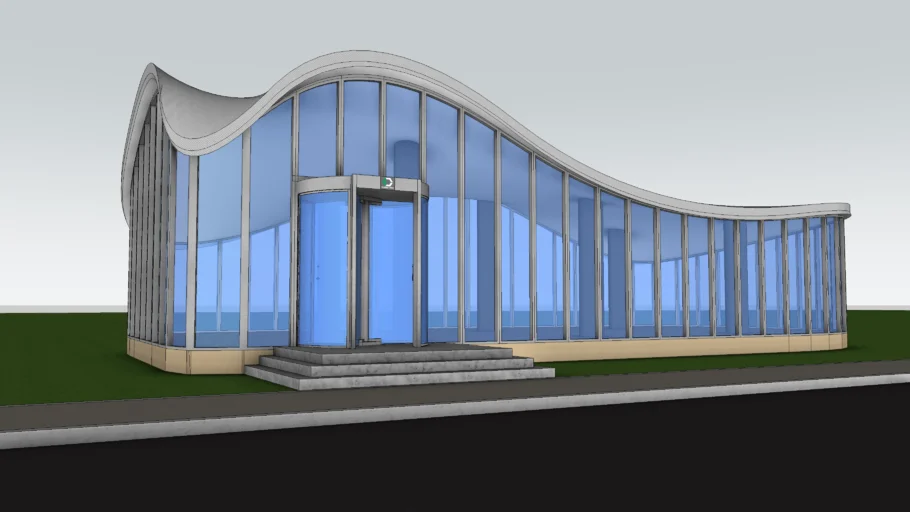
    SketchUp remains popular because of its simplicity. AI-powered extensions accelerate concept generation, automate repetitive modeling tasks, and enhance visualization with intelligent design suggestions. It is often the first tool architects use when exploring ideas quickly.

    With AI-assisted workflows, SketchUp supports faster massing studies, layout suggestions, and realistic visualizations. Its speed, ease of use, and accessibility make it an ideal tool for early-stage design and client presentations.

    5. Archicad
    10 AI Platforms Every Architect Should Use in 2026
    © graphisoft

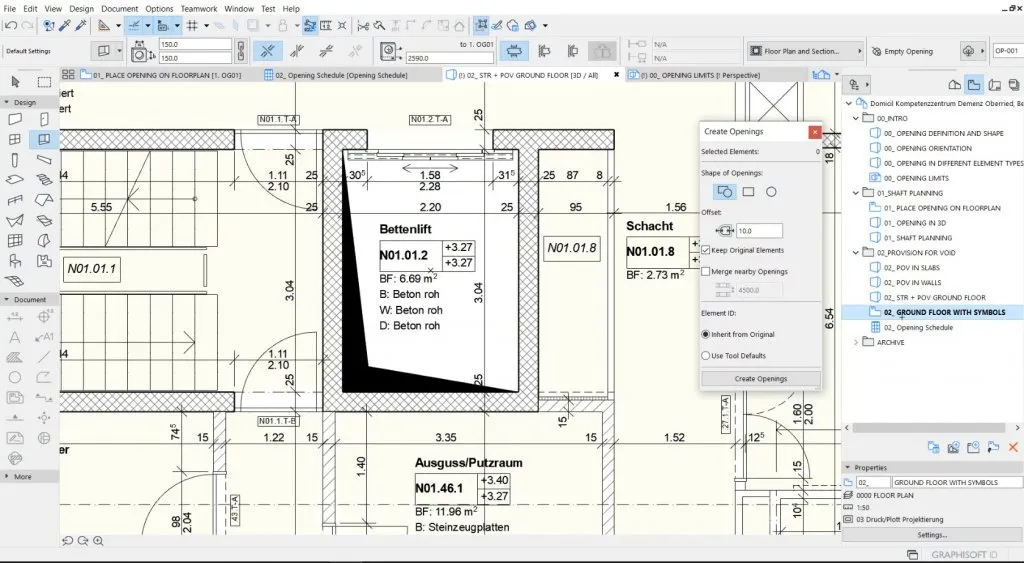
    Archicad is a collaborative building information modeling platform that streamlines teamwork across architects, engineers, and consultants. Its AI-powered tools automate documentation, detect design conflicts, and provide performance-based recommendations for smarter decision-making.

    By improving coordination and identifying issues early, Archicad reduces errors, enhances project accuracy, and helps teams deliver complex building projects more efficiently.

    6. TestFit
    10 AI Platforms Every Architect Should Use in 2026
    © TestFit

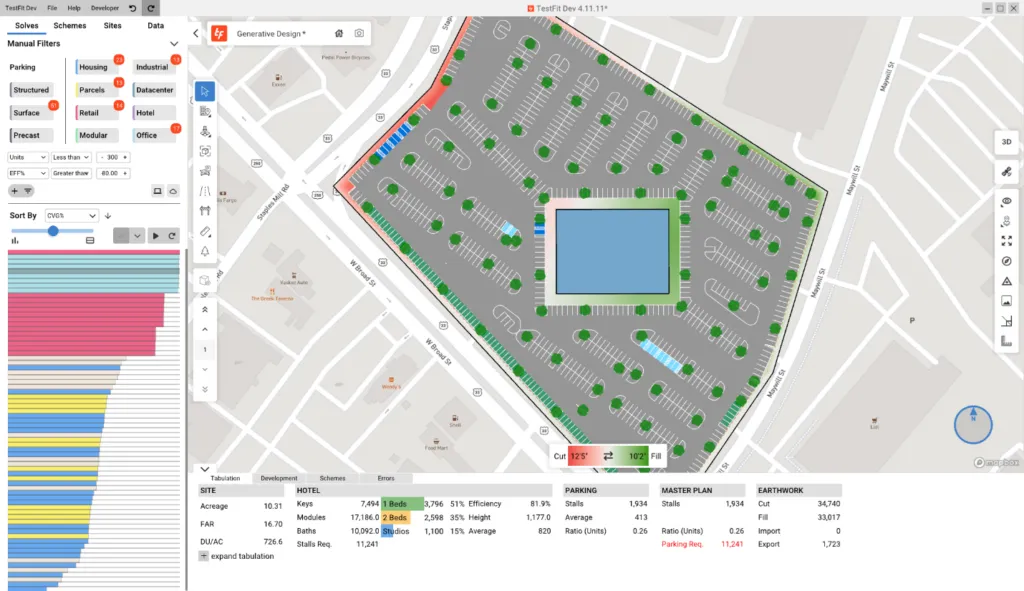
    TestFit is an AI-powered feasibility and site-planning tool that rapidly generates development layouts from inputs such as zoning rules, parking needs, unit mix, and site constraints.

    By analyzing thousands of possibilities in minutes, TestFit helps architects compare options, optimize density and parking, and make faster, data-driven decisions during the earliest stages of housing and commercial projects.

    7. Hypar
    10 AI Platforms Every Architect Should Use in 2026
    © hypar

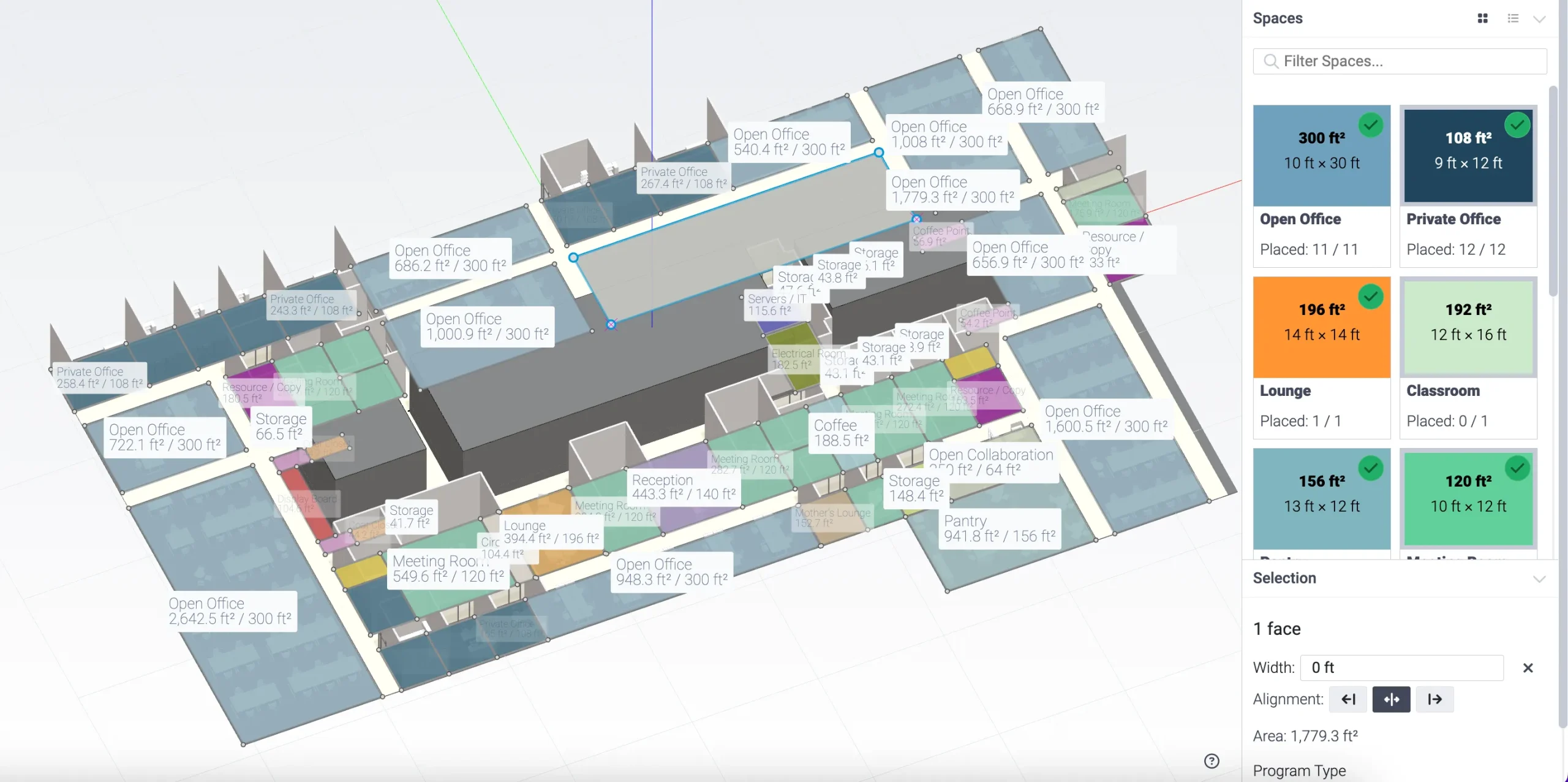
    Hypar is a cloud-based generative design platform where architects define goals and rules instead of modeling everything manually. Its AI-powered automation generates layouts, structural systems, and building configurations based on project constraints.

    By creating repeatable design logic, Hypar accelerates large-scale projects, reduces manual work, and allows architects to focus on optimizing systems rather than drawing individual elements.

    8. Midjourney
    10 AI Platforms Every Architect Should Use in 2026
    © HiveSchools by Rolando Cedeño de la Cruz

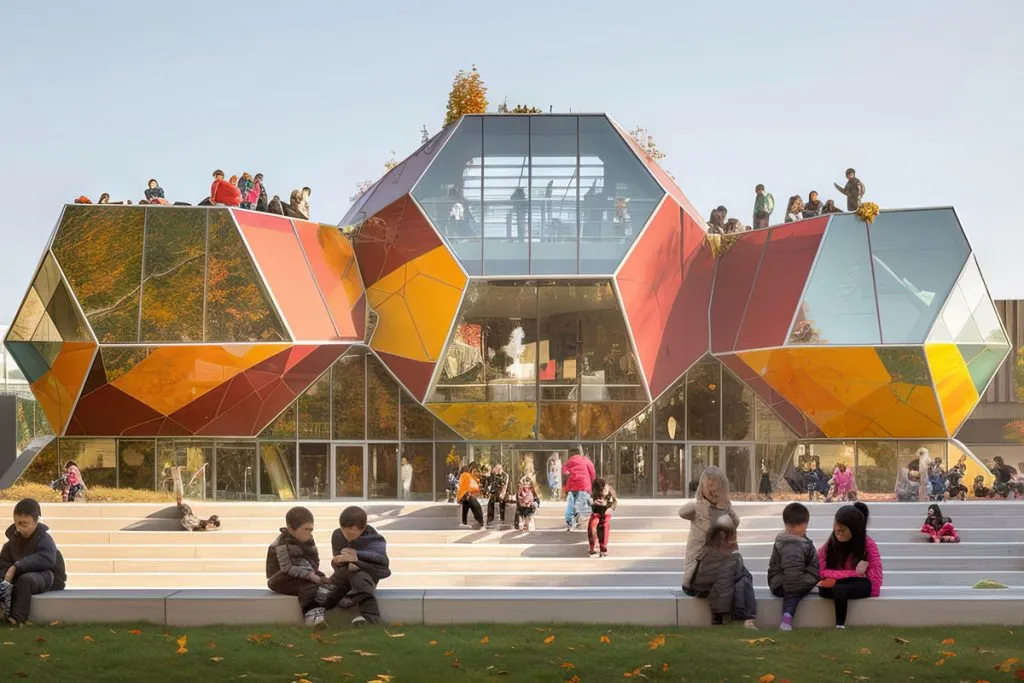
    Midjourney is an AI-powered image generation platform that helps architects rapidly explore design concepts, materials, lighting, and spatial atmospheres from text prompts. It excels at visual ideation rather than technical modeling.

    Architects use Midjourney to communicate design intent, test creative directions, and produce compelling concept visuals. It speeds up brainstorming and enhances client presentations during the earliest stages of design.

    9. Stable Diffusion

    10 AI Platforms Every Architect Should Use in 2026
    © stable diffusion

    Stable Diffusion is an open-source AI image generation system that gives architects greater control and customization over visual outputs. Its AI models can be fine-tuned for specific styles, materials, and architectural aesthetics.

    This flexibility helps firms maintain a consistent design language across projects while creating unique visual presentations. Its adaptability and control make it valuable for creative exploration and branding.

    10. Maket.ai

    10 AI Platforms Every Architect Should Use in 2026
    © makit.ai

    Maket.ai focuses on AI-powered automated residential planning, generating floor plans based on plot size, user preferences, and regulatory requirements.

    By creating multiple design options instantly, it helps architects explore possibilities faster, improve early decision-making, and accelerate the conceptual phase. It is especially useful for small studios and developers managing tight project timelines.

    How AI is Changing Architectural Work

    Across these architecture tools, one clear shift is reshaping the profession. Artificial intelligence is helping architects spend less time on repetitive tasks and more time refining ideas, solving complex design challenges, and making informed decisions. Whether through AI-assisted BIM workflows, environmental analysis, generative design, automated planning, or concept visualization, these tools are expanding what architects can achieve throughout the design process.

    As AI continues to evolve, architecture tools will become even more intelligent and connected. Rather than replacing architects, they are augmenting creativity, improving efficiency, and enabling better-informed design decisions. The future of architecture lies not in AI alone, but in how architects use these technologies to create more innovative, sustainable, and human-centered buildings.


    autodesk
    © autodesk
    AI platform Autodesk Rhino tools
    Share. Facebook Twitter Pinterest LinkedIn Tumblr Email
    Pooja Khanna Tyagi

    Pooja Khanna Tyagi is an India-based architect and design writer. Her work engages with architecture, interiors, materials, and evolving lifestyle narratives, with a focus on translating complex ideas into clear, accessible content. With a minimalist sensibility, she uses writing to simplify design ideas. A graduate of Dr. B.N. College of Architecture, Pune (2000), India, she has been active in the writing domain since 2016. She has contributed to leading publications in India and internationally, bringing together professional insight and a measured, articulate voice.

    Related Posts

    Madaster: The Platform Powering Europe’s Circular Construction Movement

    July 25, 2026

    Design Reviews Are Moving Beyond Still Images and Animations. D5 3.1 Shows What’s Next.

    July 17, 2026

    Designkit Review: Is It Worth It for E-Commerce Sellers?

    July 1, 2026
    Add A Comment
    Leave A Reply Cancel Reply

    Demo
    Top Posts

    FIFA World Cup 2030 Stadium Guide

    July 26, 202612 Views

    Harvard Unveils Shape-Shifting Knitted Fabric with Built-In Sensors

    July 26, 202611 Views

    How the Loosdrecht Lakes Became the Netherlands’ Most Fascinating Residential Landscape

    July 31, 20263 Views

    Why Clearing the Room First Changes Every Renovation Decision You Make

    July 27, 20263 Views
    Don't Miss

    How the Loosdrecht Lakes Became the Netherlands’ Most Fascinating Residential Landscape

    By Isha ChaudharyJuly 31, 2026

    What appears to be an AI-generated landscape has become one of the internet’s latest architectural…

    Tashkent’s Modernist Architecture Joins UNESCO World Heritage List

    July 31, 2026

    Architecture Is Growing Up with Gen Z

    July 30, 2026

    Populous to Shape Frankfurt’s Next Major Sports and Entertainment Arena

    July 30, 2026

    Subscribe to Updates

    Get the latest creative news from SmartMag about art & design.

    Demo

    Recent Posts

    • How the Loosdrecht Lakes Became the Netherlands’ Most Fascinating Residential Landscape
    • Tashkent’s Modernist Architecture Joins UNESCO World Heritage List
    • Architecture Is Growing Up with Gen Z
    • Populous to Shape Frankfurt’s Next Major Sports and Entertainment Arena
    • Chile’s 2026 National Architecture Prize Awarded to Pritzker Laureates Alejandro Aravena and Smiljan Radić

    Recent Comments

    No comments to show.
    About Us
    About Us

    Your source for the lifestyle news. This demo is crafted specifically to exhibit the use of the theme as a lifestyle site. Visit our main page for more demos.

    We're accepting new partnerships right now.

    Email Us: [email protected]
    Contact: +1-320-0123-451

    Our Picks

    How the Loosdrecht Lakes Became the Netherlands’ Most Fascinating Residential Landscape

    July 31, 2026

    Tashkent’s Modernist Architecture Joins UNESCO World Heritage List

    July 31, 2026

    Architecture Is Growing Up with Gen Z

    July 30, 2026
    Most Popular

    FIFA World Cup 2030 Stadium Guide

    July 26, 202612 Views

    Harvard Unveils Shape-Shifting Knitted Fabric with Built-In Sensors

    July 26, 202611 Views

    How the Loosdrecht Lakes Became the Netherlands’ Most Fascinating Residential Landscape

    July 31, 20263 Views

    Archives

    • July 2026
    • June 2026
    • May 2026
    • April 2026
    • March 2026
    • February 2026
    • January 2026
    • December 2025
    • November 2025
    • October 2025
    • September 2025
    • August 2025
    • July 2025
    • June 2025
    • May 2025
    • April 2025
    • March 2025
    • February 2025
    • January 2025
    • December 2024
    • November 2024
    • October 2024
    • September 2024
    • August 2024
    • July 2024
    • June 2024
    • May 2024
    • April 2024
    • March 2024
    • February 2024
    • January 2024
    • December 2023
    • November 2023
    • October 2023
    • September 2023
    • August 2023
    • July 2023
    • June 2023
    • May 2023
    • April 2023
    • March 2023
    • February 2023
    • January 2023
    • December 2022
    • November 2022
    • October 2022
    • September 2022
    • August 2022
    • July 2022
    • June 2022
    • May 2022
    • April 2022
    • March 2022
    • February 2022
    • January 2022
    • December 2021
    • November 2021
    • October 2021
    • September 2021
    • August 2021
    • July 2021
    • June 2021
    • May 2021
    • April 2021
    • March 2021
    • February 2021
    • January 2021
    • December 2020
    • November 2020
    • October 2020
    • September 2020
    • August 2020
    • July 2020
    • June 2020
    • May 2020
    • April 2020
    • March 2020
    • February 2020
    • January 2020
    • November 2019
    • October 2019
    • September 2019
    • August 2019
    • July 2019
    • June 2019
    • May 2019
    • April 2019
    • March 2019
    • February 2019
    • January 2019
    • December 2018
    • November 2018
    • October 2018
    • September 2018
    • August 2018

    Categories

    • 3D Printing
    • Ads
    • Archipreneurs
    • Architects
    • Architecture
    • Architecture & Design
    • Architecture News
    • Articles
    • Artificial Intelligence
    • BIM / AEC
    • Books
    • Case Study
    • CDNext
    • CDNEXT Recordings
    • City Guide
    • Competitions
    • Design
    • Digital Art
    • Digital Members
    • Events
    • Fashion
    • Geography
    • Installation
    • Interior
    • Interviews
    • Jobs
    • landscape
    • Landscape Architecture
    • Landscape Design
    • memorial
    • Metaverse
    • Opinions
    • PA Quotes
    • PA Talks
    • PAACADEMY
    • Pavilion
    • podcasts
    • Products
    • Projects
    • Robotics
    • Space Architecture
    • Studio Recordings
    • Studio Workshops
    • Sustainability
    • Technology
    • Tools
    • Urbanism
    • Videos
    • Workshops
    Facebook X (Twitter) Instagram Pinterest Dribbble
    © 2026 ThemeSphere. Designed by ThemeSphere.

    Type above and press Enter to search. Press Esc to cancel.