Imagine stepping into a stadium where every tier, staircase, and seat is carved from gleaming white marble rather than concrete or steel. The Panathenaic Stadium in Athens stands apart from every sports arena ever built, not because it is the oldest or the largest, but because it remains the only stadium in the world constructed entirely of marble. More than two millennia after its origins, the stadium continues to host runners, ceremonies, and visitors while preserving a remarkable connection between ancient Greece and the birth of the modern Olympic Games.
How a Natural Valley Became Athens’ Greatest Stadium
Long before it became known as the world’s only stadium built entirely of marble, the Panathenaic Stadium began as a modest athletic venue in ancient Athens. Around 330 BC, the Athenian statesman Lycurgus commissioned the stadium as part of a broader civic building program, creating a permanent home for the Panathenaic Games, a major religious and athletic festival held in honor of the city’s patron goddess, Athena.
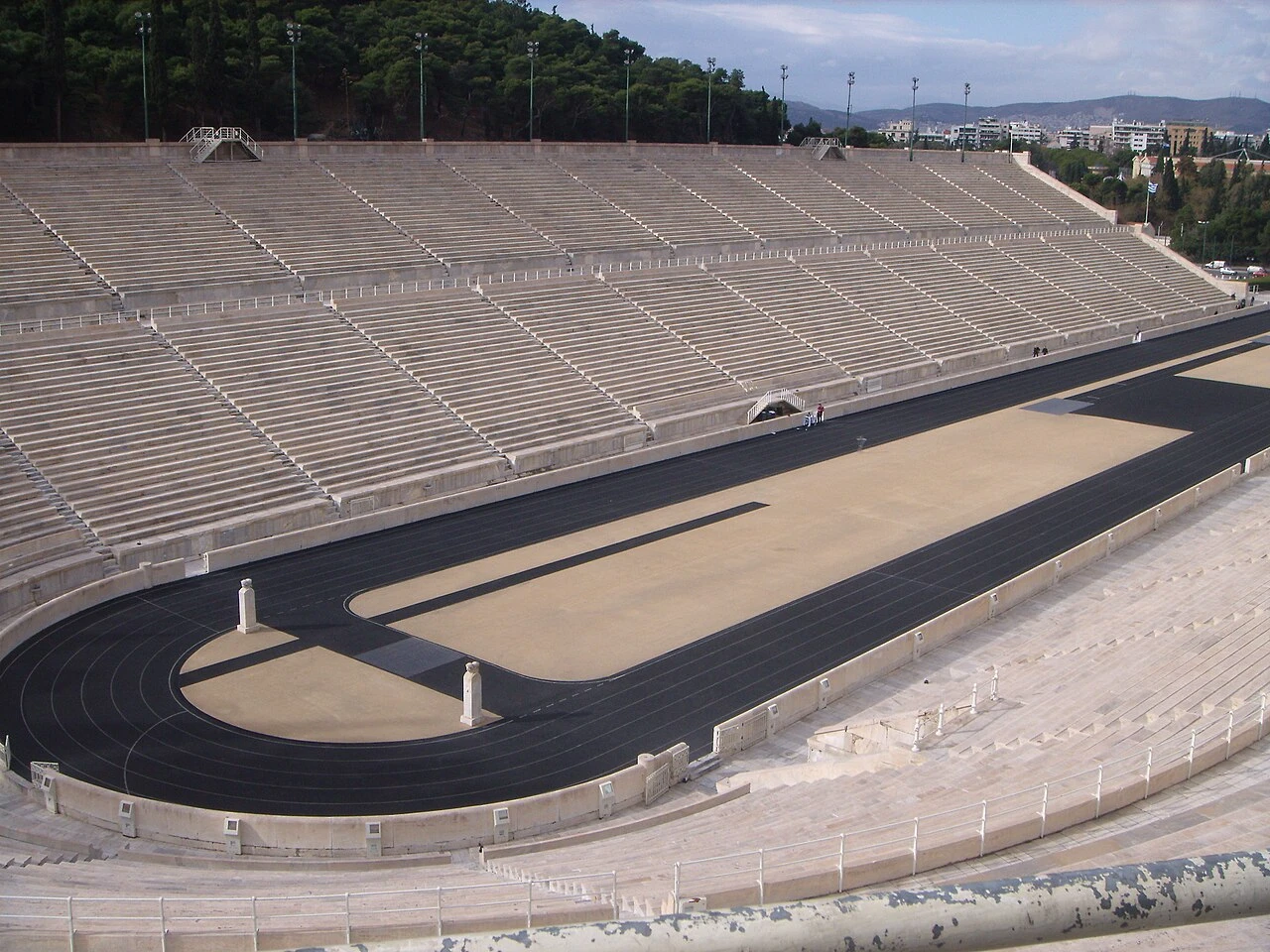
The stadium’s builders took advantage of a natural ravine between the Agra and Ardettos hills, shaping the seating into the landscape itself. This approach reduced the need for extensive earthworks while allowing thousands of spectators to enjoy clear views of the competitions. It also reflected a common principle of ancient Greek architecture: working with the natural terrain instead of imposing a completely new landscape.
The earliest stadium was built primarily from limestone, with earth embankments supporting much of the seating. Although simpler than the marble monument seen today, it represented one of the first purpose-built venues for large-scale athletic competitions in Athens. The elongated, U-shaped track was designed for foot races and ceremonial events associated with the Panathenaic Games, establishing a layout that would survive later reconstructions and remain recognizable for more than two thousand years.
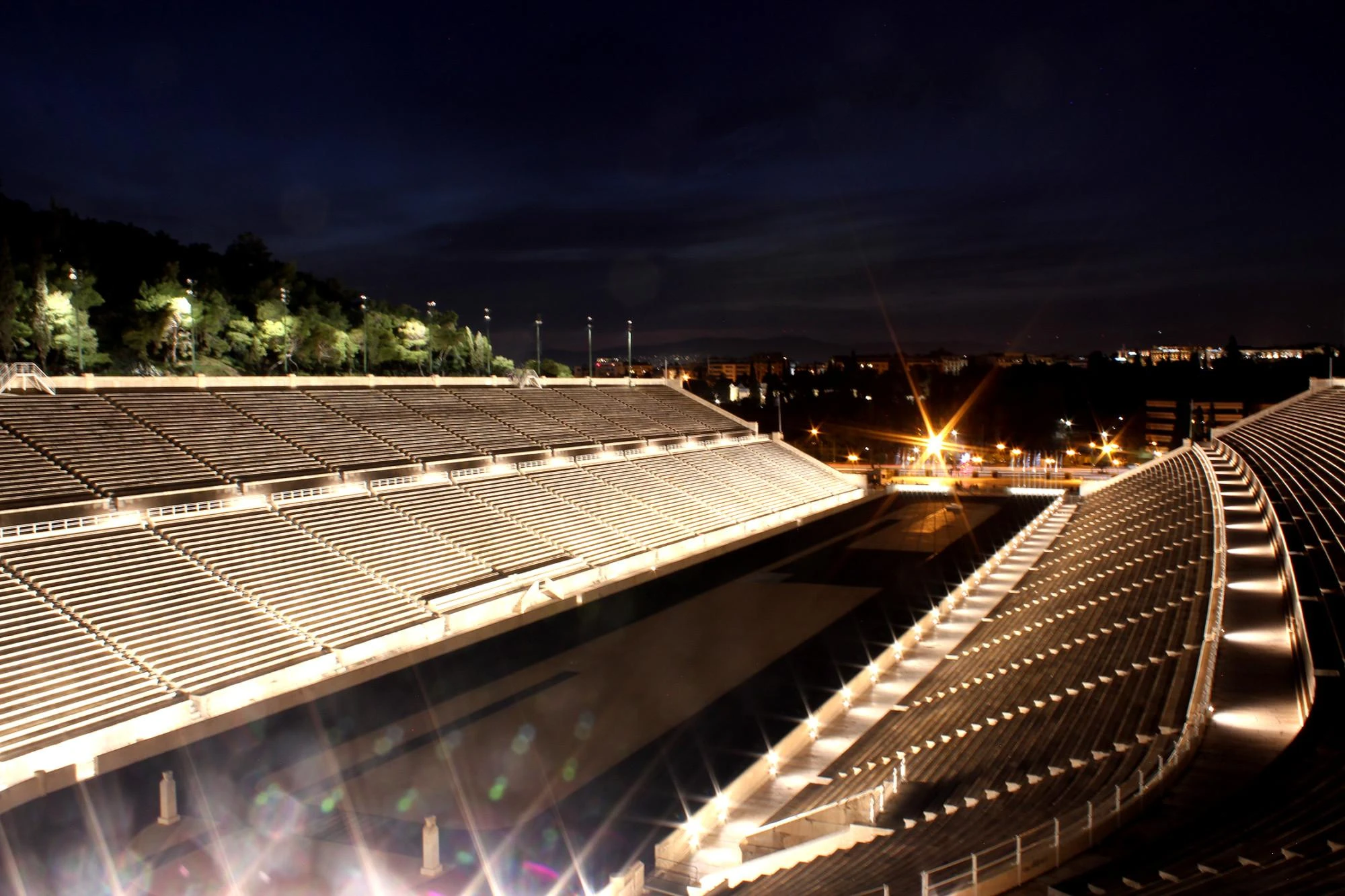
This careful integration of architecture and topography laid the foundation for what would eventually become one of the most remarkable sporting monuments in history. The site’s natural setting not only shaped its original design but also made it possible for later generations to transform it into the iconic marble stadium that still stands in Athens today.
When Marble Transformed an Ancient Stadium
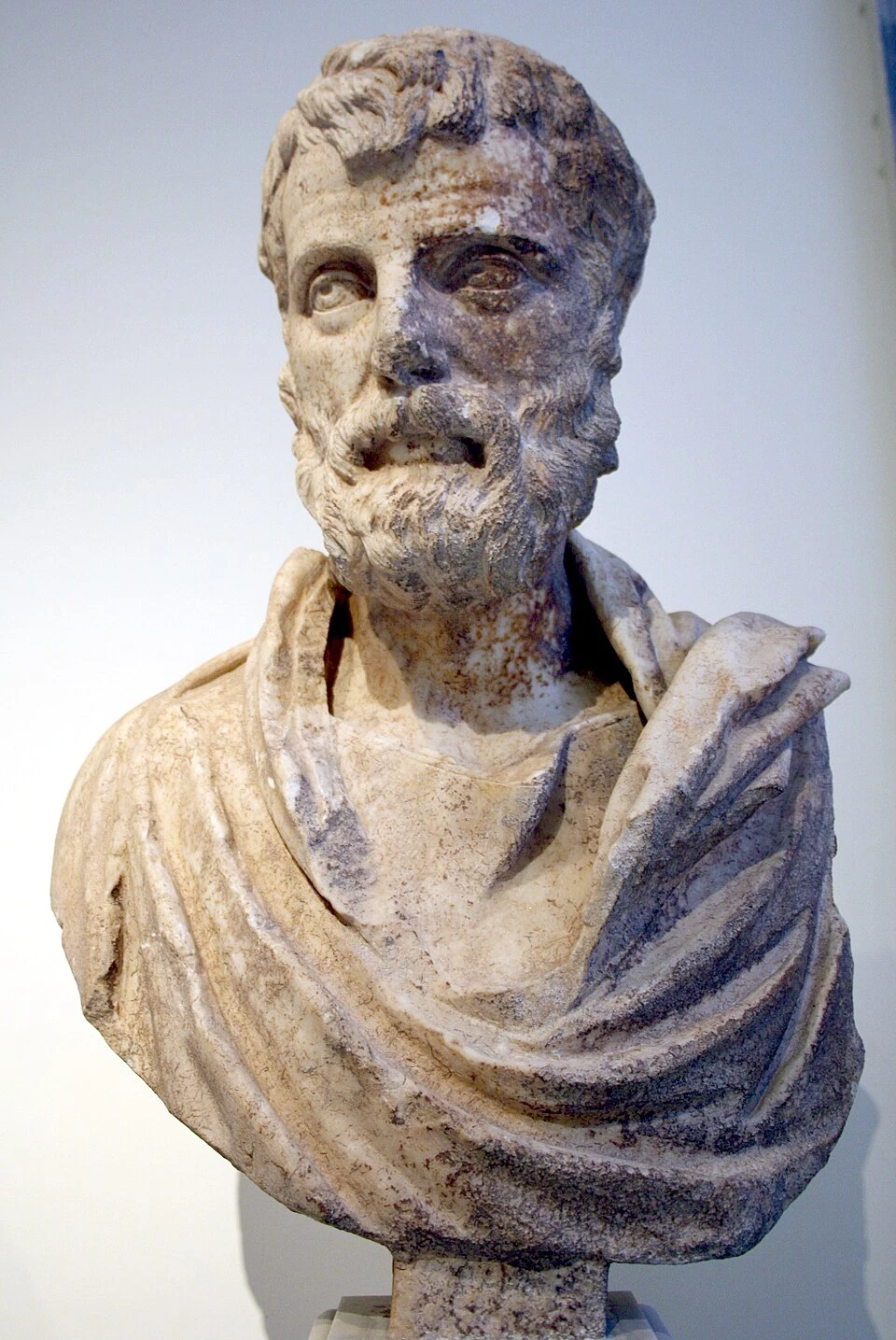
Nearly five centuries after its original construction, the Panathenaic Stadium underwent the transformation that would define its identity for centuries to come. Around AD 139–144, the wealthy Athenian benefactor Herodes Atticus funded a complete rebuilding of the stadium as a gift to the city. The earlier limestone structure was replaced with Pentelic marble, the same fine white marble quarried from Mount Pentelicus that was famously used in the construction of the Acropolis and the Parthenon.
This was far more than a cosmetic upgrade. The marble became the stadium itself. Seating rows, staircases, retaining walls, and the architectural framework were all carved from stone rather than being applied as decorative cladding over another structural system. The reconstruction also significantly expanded the venue, allowing it to accommodate around 50,000 spectators, making it one of the largest athletic venues of its time.
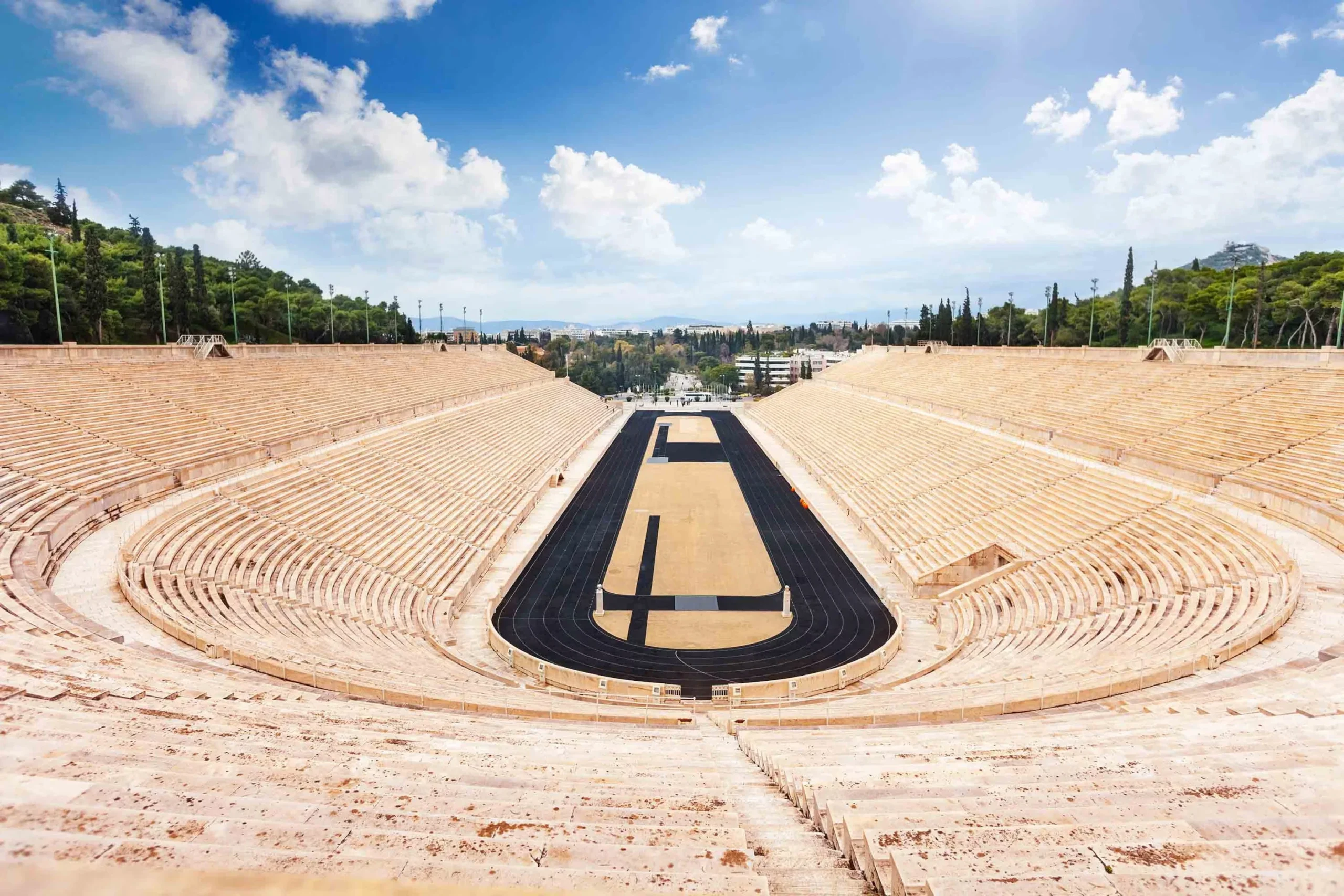
Pentelic marble is known for its exceptional durability and its distinctive warm golden hue that develops under sunlight due to traces of iron within the stone. More than 1,800 years later, these qualities continue to define the stadium’s appearance, giving the monument a luminous character that changes throughout the day while preserving much of its original material integrity.
From Forgotten Ruins to the Birthplace of the Modern Olympics
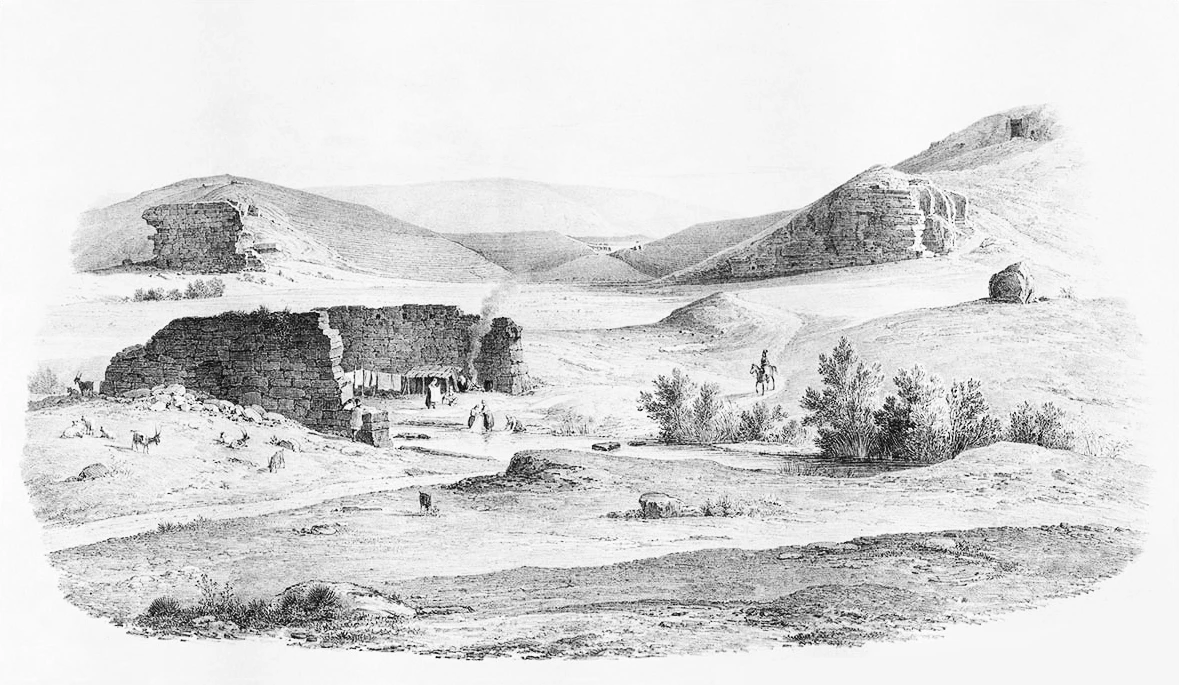
Following the decline of the Roman Empire, the Panathenaic Stadium gradually fell out of use. Its marble was stripped for other construction projects, while centuries of soil and vegetation buried much of the once-grand arena, leaving only traces of its original form. The stadium remained largely hidden until archaeological excavations in the 1830s uncovered its ancient foundations.
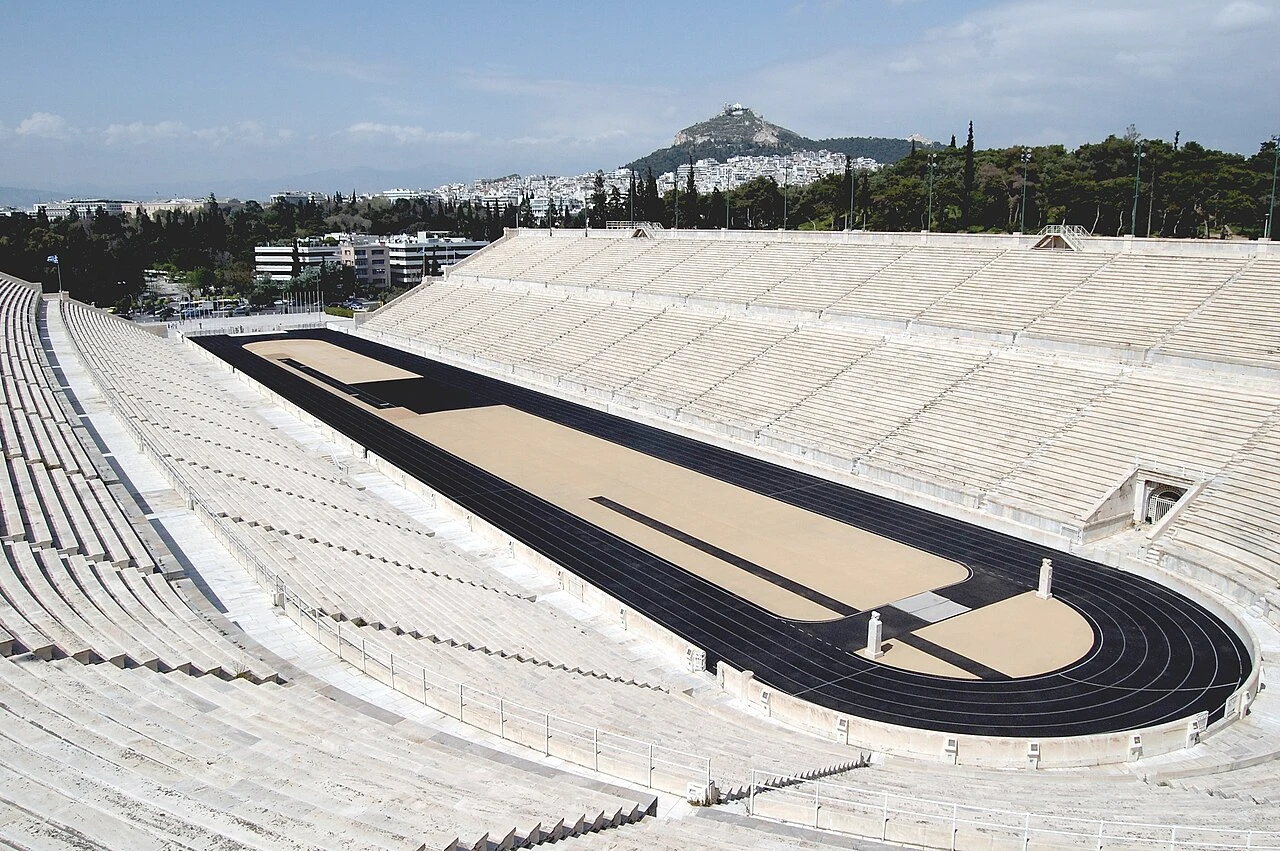
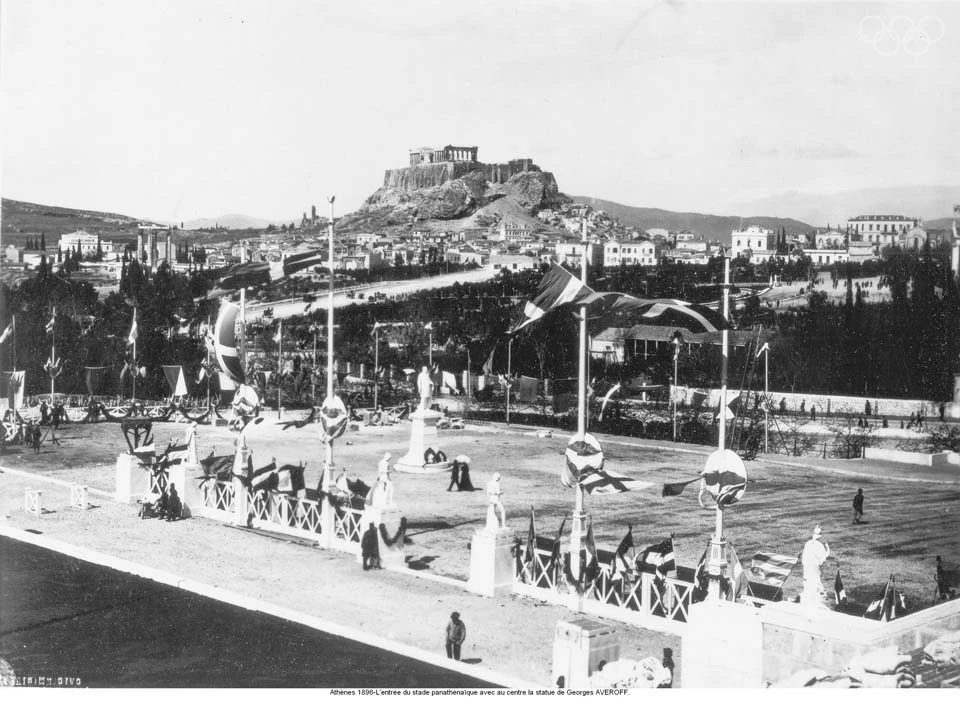
In the late nineteenth century, as the modern Olympic movement gained momentum, the stadium was carefully restored for the 1896 Olympic Games. Designed by Anastasios Metaxas and funded by philanthropist George Averoff, the reconstruction drew on archaeological evidence and reused Pentelic marble to recreate the ancient monument as faithfully as possible. The revived Panathenaic Stadium not only hosted the first modern Olympics but also re-established itself as one of the world’s most significant sporting landmarks.
An Architectural Design Shaped by Landscape
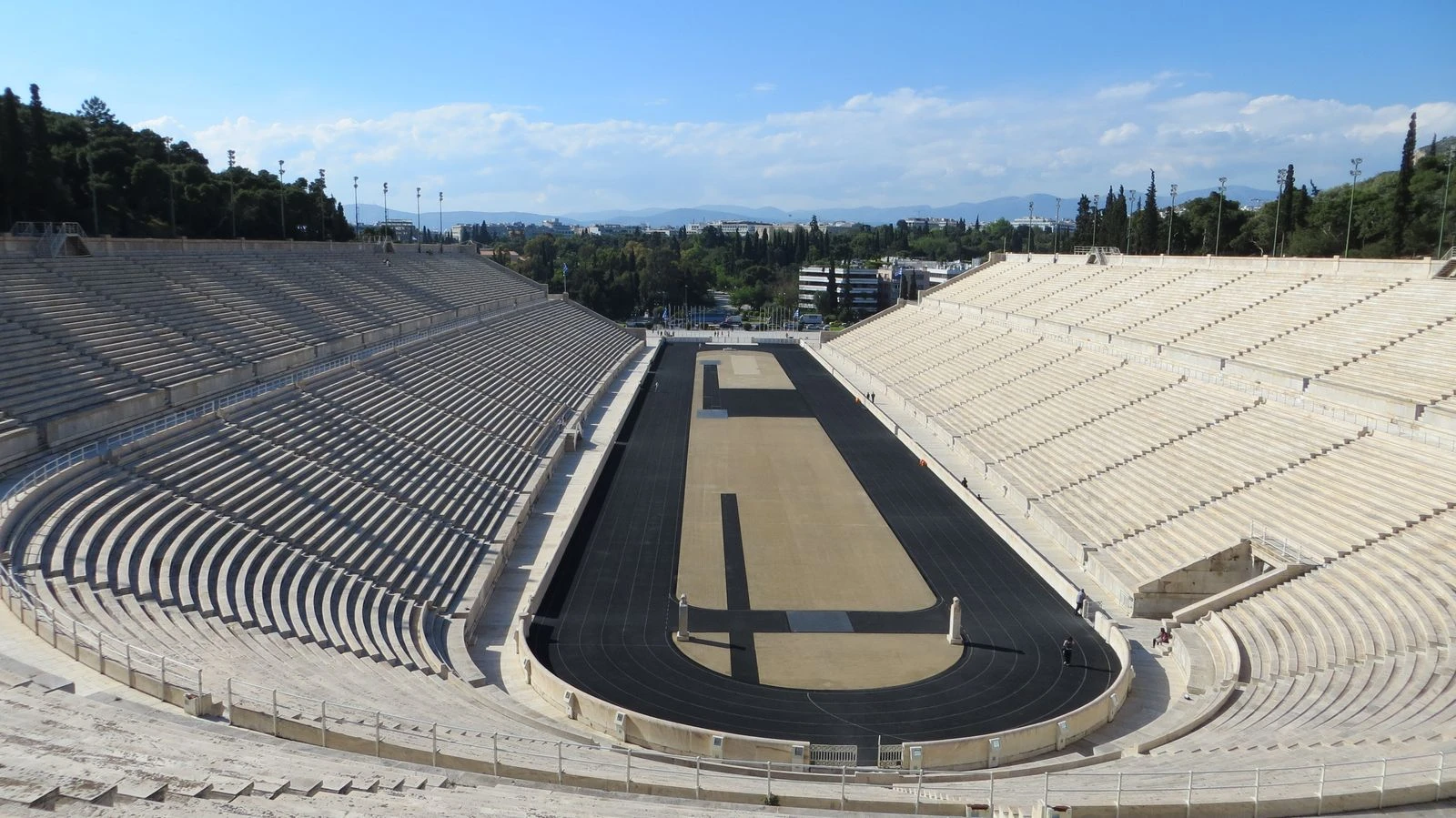
Unlike contemporary stadiums designed around steel frames and reinforced concrete, the Panathenaic Stadium relies almost entirely on stone, topography, and geometry. Measuring approximately 204 meters in length, its distinctive horseshoe-shaped (U-shaped) layout follows the contours of the natural valley between the Ardettos and Agra hills, allowing the landscape itself to support much of the seating.
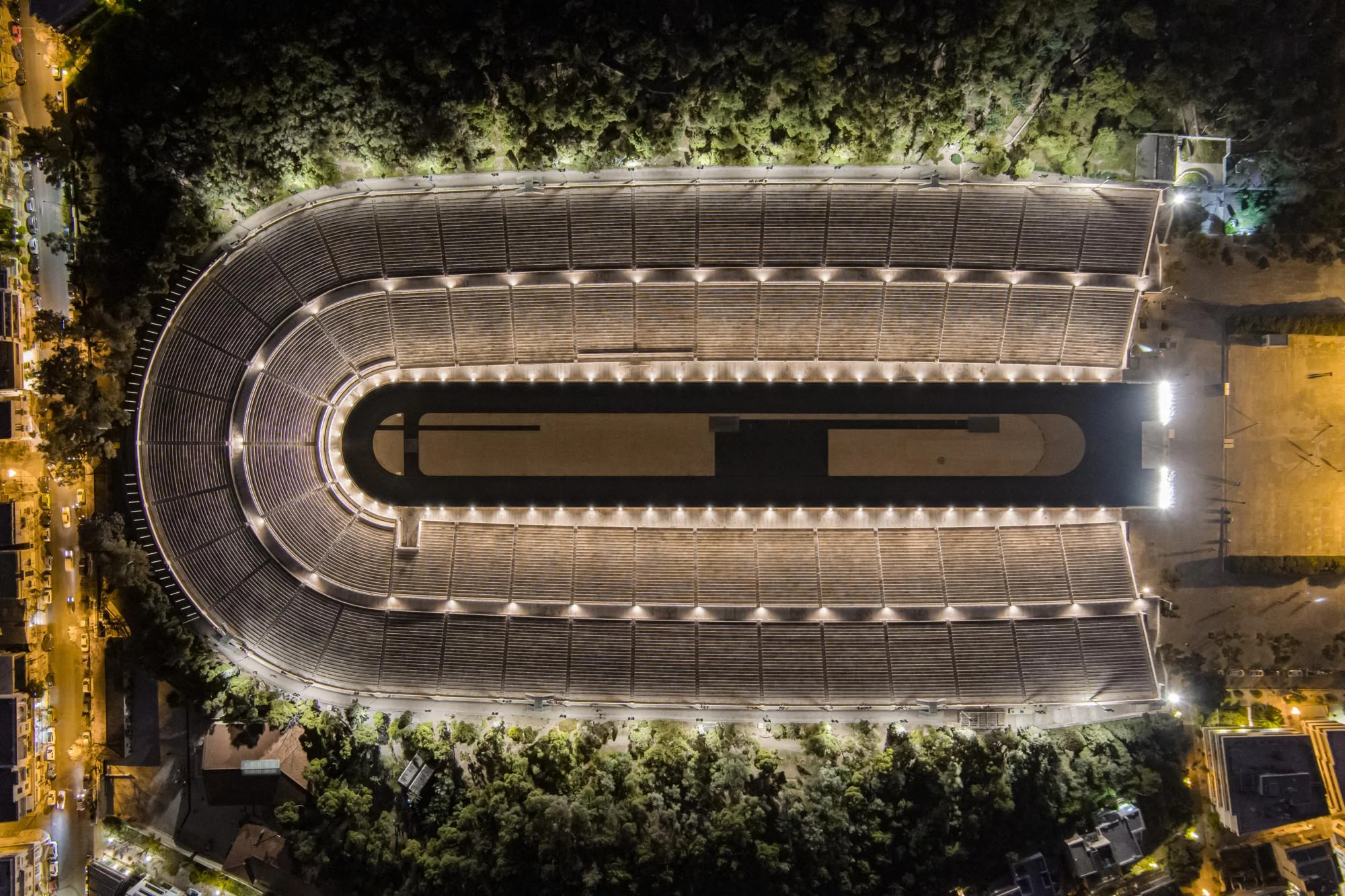
Rows of marble terraces rise gradually from the narrow racing track, while radial staircases divide the spectator areas into clearly organized seating sections. Massive retaining walls help stabilize the surrounding slopes, demonstrating how ancient engineers combined architecture with the site’s existing terrain instead of reshaping it entirely.
The racing track itself is noticeably narrower than those used in modern athletics, reflecting the sporting traditions of ancient Greece rather than contemporary Olympic standards. Despite its age, the stadium’s carefully planned proportions provide remarkably clear sightlines across the arena, ensuring spectators remain close to the action.
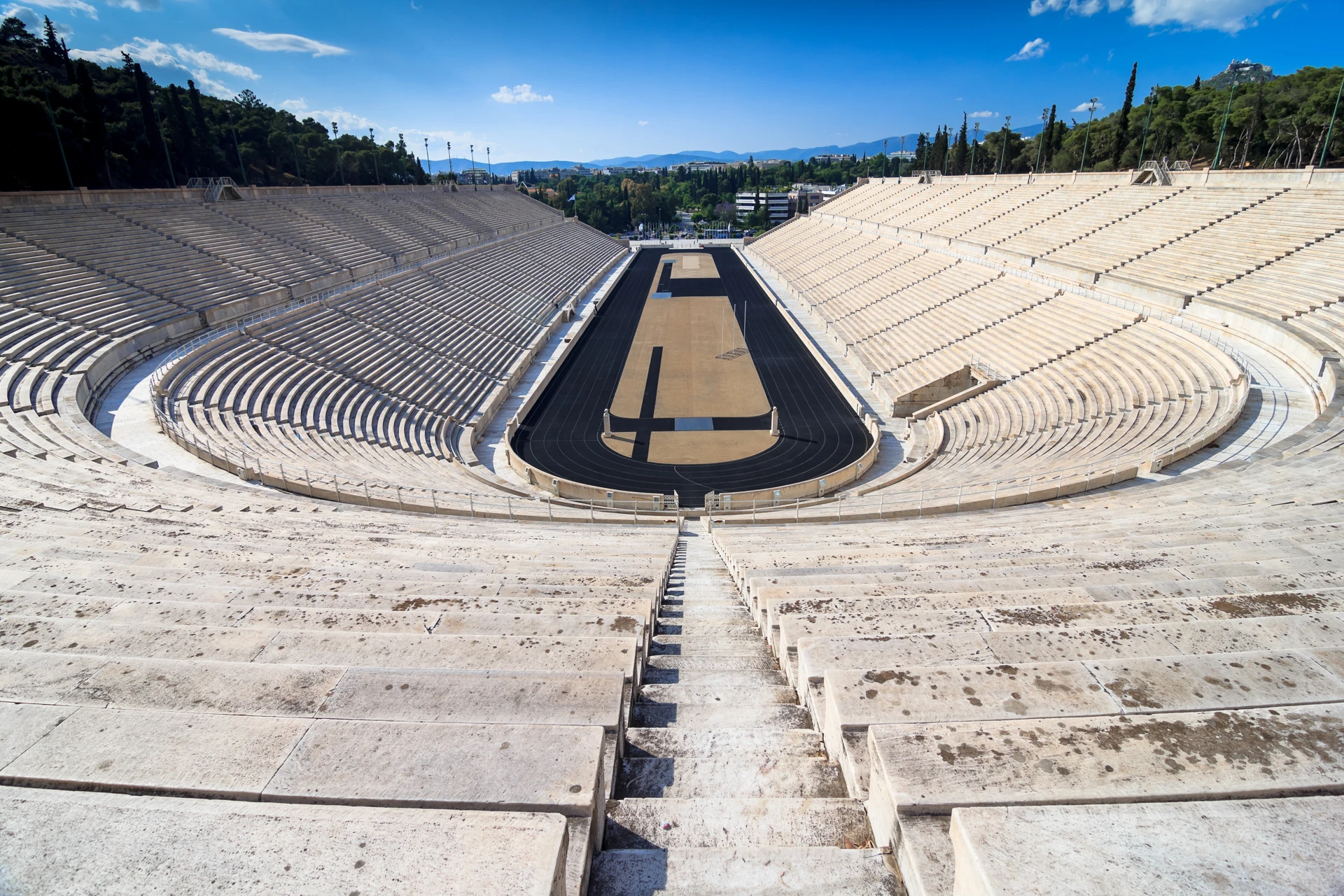
What makes the structure particularly remarkable is that its permanent architectural elements, from seating terraces and staircases to retaining walls, are all formed from marble. Without relying on structural steel or reinforced concrete, the stadium demonstrates the precision and durability achieved through ancient stone construction techniques.
Why the Panathenaic Stadium Remains One of a Kind
The Panathenaic Stadium is widely recognized as the world’s only stadium built entirely of marble, a distinction that sets it apart from every modern sports arena. While many historic and contemporary stadiums incorporate stone for façades, decorative finishes, or selected architectural features, the Panathenaic Stadium was reconstructed so that marble forms the permanent structure itself.
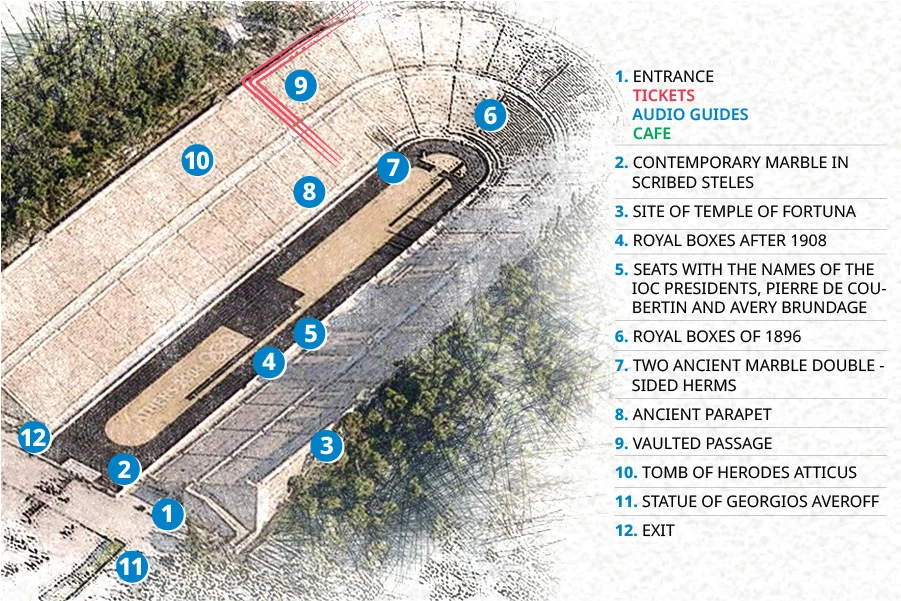
Its seating tiers, circulation routes, retaining walls, and architectural framework are all crafted from Pentelic marble, making the material integral to the building rather than merely ornamental. This rare approach reflects the craftsmanship of Roman-era Athens while preserving construction techniques that have allowed the monument to endure for nearly two millennia.
The result is not simply an ancient stadium preserved in time but a remarkable example of architecture where material, engineering, and landscape are inseparable.
A Living Landmark Beyond the Olympic Games
Although the Panathenaic Stadium is inseparable from the 1896 Olympic Games, its role continues well beyond its historic past. Today, it remains the ceremonial finish line of the Athens Authentic Marathon, connecting one of the world’s most famous races with its ancient sporting traditions.
The stadium also serves as the traditional venue for the Olympic flame handover ceremony, where the flame is presented to each new Olympic host nation before traveling to the upcoming Games. Alongside these internationally recognized events, the monument regularly hosts cultural celebrations, concerts, exhibitions, educational programs, and official ceremonies.
The Panathenaic Stadium continues to welcome visitors from around the world as a working public space. More than 2,300 years after its foundations were first laid, it remains both a monument to ancient engineering and an enduring symbol of how architecture can continue to serve society across centuries.